
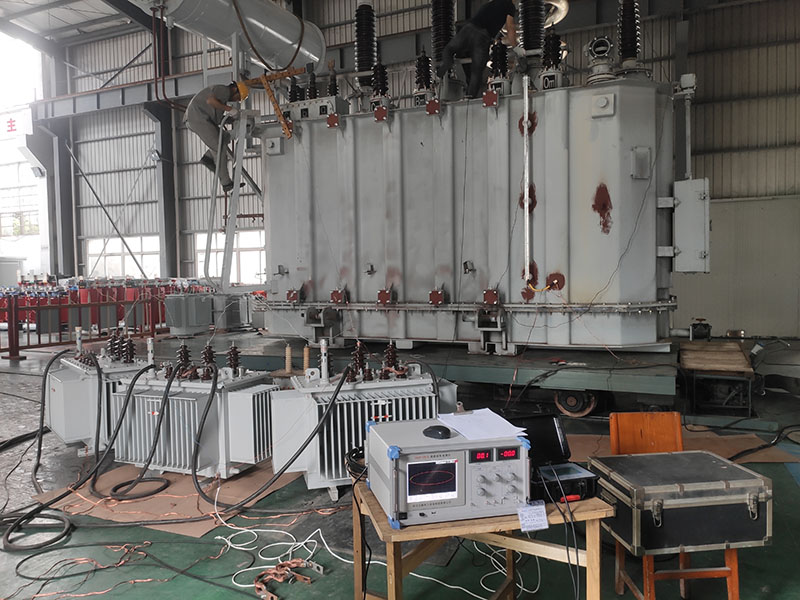
Partial discharge (PD) is a critical phenomenon in electrical systems that can indicate the early stages of insulation degradation. PD testing is essential for identifying and mitigating these issues before they lead to catastrophic failures. This article explores the intricacies of PD testing, providing a comprehensive guide for professionals in the electrical power industry.
1. Understanding Partial Discharge
Partial discharge is a localized dielectric breakdown that occurs in a small portion of a solid or liquid insulation system under high voltage stress. It is caused by imperfections in the insulation material, such as voids, cracks, or contaminants.
Types of Partial Discharge:
-
- Internal Discharge: Occurs within voids or cavities inside the insulation.
-
- Surface Discharge: Takes place along the surface of the insulation.
-
- Corona Discharge: Occurs in the air surrounding a conductor.
Effects:
-
- Progressive insulation deterioration
-
- Increased risk of complete insulation failure
-
- Potential for equipment damage and power outages
2. Importance of Partial Discharge Testing
PD testing is vital for maintaining the reliability and safety of electrical systems. It helps in:
-
- Early Detection: Identifying insulation defects before they lead to failures.
-
- Preventative Maintenance: Addressing issues proactively to prevent costly repairs and downtime.
-
- Extended Equipment Life: Enhancing the longevity of electrical assets by monitoring and managing insulation health.
-
- Compliance: Meeting regulatory requirements and industry standards for electrical safety.
3. Equipment and Tools for Partial Discharge Testing

Essential Equipment:
-
- PD Detectors: Instruments that detect and measure partial discharge activity.
-
- Calibrators: Devices used to calibrate PD measuring instruments.
-
- Measuring Instruments: Tools for analyzing and recording PD signals.
Selection Criteria:
-
- Sensitivity and accuracy
-
- Portability and ease of use
-
- Compatibility with various types of equipment
Advanced Systems:
-
- Automated PD testing systems with real-time data analysis
-
- Integration with digital monitoring and diagnostic platforms
4. Methods of Partial Discharge Testing
Online vs. Offline Testing:
-
- Online Testing: Conducted while the equipment is in service, allowing for real-time monitoring.
-
- Offline Testing: Performed during maintenance outages, providing a more controlled testing environment.
Common Methods:
-
- Electrical Methods: Using capacitive couplers or antennas to detect PD signals.
-
- Acoustic Methods: Employing ultrasonic sensors to capture sound waves generated by PD.
-
- Chemical Methods: Analyzing dissolved gases in insulating oil to detect PD activity.
-
- Optical Methods: Using cameras and fiber optics to observe light emissions from PD.
Choosing the Right Method:
-
- Depends on the type of equipment and insulation
-
- Consideration of the testing environment and accessibility
5. Procedure for Partial Discharge Testing
Step-by-Step Guide:
1. Preparation:
-
- Ensure the test area is clear and secure
-
- Verify that all equipment is calibrated and functioning correctly
-
- Wear appropriate PPE
2. Setting Up:
-
- Connect the PD detector to the component under test
-
- Ensure all connections are secure and properly insulated
3. Performing the Test:
-
- Apply the test voltage and monitor PD activity
-
- Record the PD signals and analyze the data
4. Data Analysis:
-
- Compare results against standard criteria
-
- Identify any potential issues or weaknesses
Common Pitfalls:
-
- Inadequate grounding
-
- Incorrect sensor placement
-
- Misinterpretation of data
6. Standards and Regulations
Key Standards:
-
- IEEE 400: Guide for Field Testing and Evaluation of the Insulation of Shielded Power Cable Systems
-
- IEC 60270: High-Voltage Test Techniques – Partial Discharge Measurements
Compliance:
-
- Adhering to these standards ensures quality and safety
-
- Regular updates to standards reflect technological advancements
7. Safety Measures and Best Practices
Safety Protocols:
-
- Always follow manufacturer guidelines for equipment use
-
- Ensure proper insulation and grounding of all test setups
-
- Use barriers and warning signs to restrict access to the test area
PPE:
-
- Insulating gloves and boots
-
- Face shields and protective clothing
Case Studies:
-
- Review of incidents due to improper testing practices
-
- Implementation of corrective measures
8. Interpreting Test Results
Understanding Data:
-
- Analyze PD patterns and magnitudes
-
- Identify the location and severity of insulation defects
Correlation with Insulation Condition:
-
- Relate PD activity to the overall health of the insulation system
-
- Use historical data for trend analysis
Reporting:
-
- Document findings in a clear, concise report
-
- Include all relevant data and observations
9. Advances and Innovations in Partial Discharge Testing
Technological Advances:
-
- Enhanced accuracy and reliability of PD detectors
-
- Integration of digital interfaces and data logging
Future Trends:
-
- Increased automation and remote testing capabilities
-
- Development of more robust and sensitive measuring instruments
10. Real-world Applications and Case Studies
Examples:
-
- Utility companies ensuring the reliability of their transmission lines
-
- Manufacturers verifying the quality of insulation in new transformers
Lessons Learned:
-
- Importance of regular testing and maintenance
-
- Benefits of using advanced testing technologies
Partial discharge testing is crucial for maintaining the integrity and reliability of electrical power systems. By understanding and implementing best practices, industry professionals can ensure the health of their insulation systems, prevent failures, and maintain compliance with regulatory standards. Stay informed, stay safe, and don’t let hidden dangers compromise your power system.