
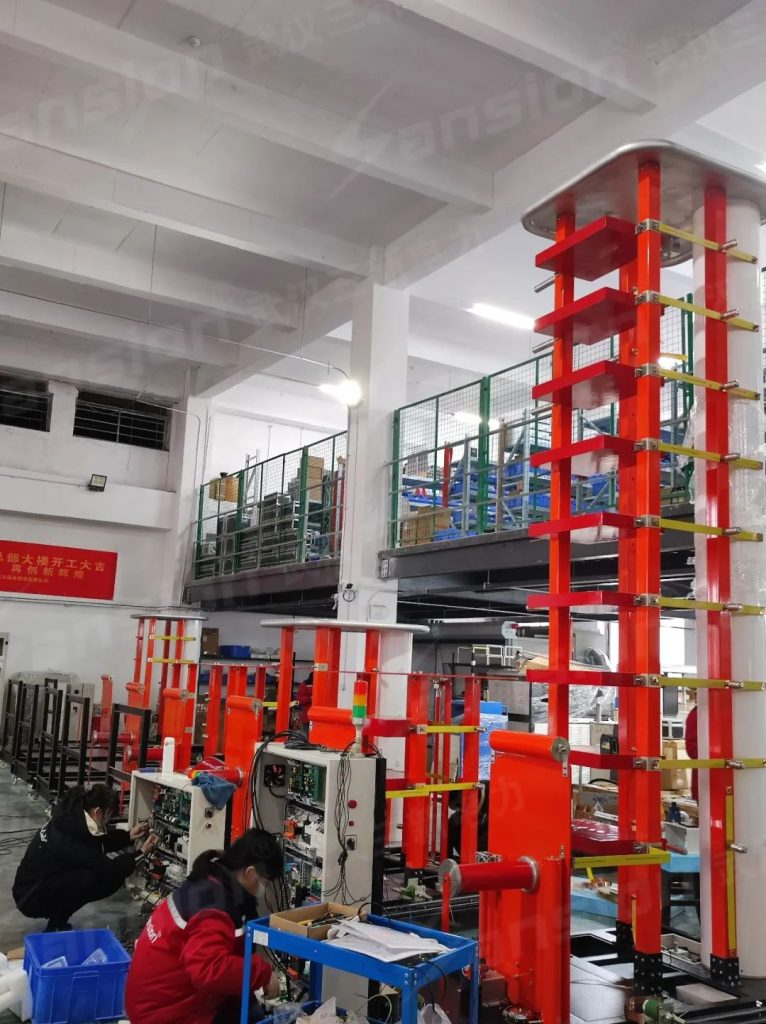
Impulse voltage testing is a critical diagnostic tool in the electric power industry, not only for ensuring the safety and reliability of equipment but also for optimizing system efficiency. By identifying potential weaknesses and validating the performance of electrical components under real-world surge conditions, this testing method helps maintain peak system performance, minimize energy losses, and extend the lifespan of critical infrastructure.
This article will explore how impulse voltage testing enhances system efficiency, with practical insights and actionable strategies for electric power industry workers. It will also discuss how regular testing can prevent costly failures, improve operational performance, and contribute to sustainable energy management.
Introduction
Why System Efficiency Matters in the Electric Power Industry
System efficiency is at the heart of successful electrical operations. Inefficient systems lead to energy losses, higher operational costs, and increased wear and tear on equipment. As demand for energy continues to grow, ensuring efficiency is more critical than ever.
The Role of Impulse Voltage Testing in System Efficiency
Impulse voltage testing is traditionally associated with safety and reliability, but its impact on efficiency is equally significant. It helps:
- Identify and address issues that cause energy losses.
- Optimize equipment performance.
- Support long-term system reliability and cost savings.
In this article, we will:
- Examine the relationship between impulse voltage testing and system efficiency.
- Highlight practical ways to maximize efficiency through testing.
- Share real-world examples of successful efficiency improvements.
The Fundamentals of Impulse Voltage Testing
1. What is Impulse Voltage Testing?
Impulse voltage testing involves applying high-voltage surges to electrical equipment to simulate real-world conditions such as lightning strikes or switching transients. It evaluates the durability and performance of insulation, conductors, and other components.
2. How Impulse Voltage Testing Impacts System Performance
Testing helps identify:
- Insulation Weaknesses: Faulty insulation leads to leakage currents, reducing system efficiency.
- Component Failures: Detecting and addressing potential failures ensures uninterrupted power delivery.
- System Imbalances: Unbalanced or degraded components can introduce inefficiencies into the system.
How Impulse Voltage Testing Maximizes Efficiency
1. Identifying Energy Losses
Locating Insulation Defects
Poor insulation can cause energy losses through partial discharge or leakage currents. Impulse voltage testing pinpoints these defects, allowing for timely repairs or replacements.
Case Study: A manufacturing facility experiencing high energy costs identified degraded transformer insulation during impulse voltage testing. Repairing the insulation reduced energy losses by 15%, leading to significant cost savings.
Addressing Conductor Weaknesses
High-voltage tests reveal potential issues in conductors, such as increased resistance due to corrosion or mechanical damage, which can lead to power losses.
2. Enhancing Equipment Reliability
Preventing Downtime
Regular impulse voltage testing prevents unexpected equipment failures, ensuring that systems operate at peak efficiency without interruptions.
Extending Equipment Lifespan
By detecting early signs of wear and tear, testing helps extend the life of transformers, switchgear, and other critical components.
Personal Anecdote: During one project, impulse voltage testing identified early-stage partial discharge in a high-voltage cable. Addressing the issue not only prevented a costly failure but also extended the cable’s service life by several years.
3. Improving Load Management
Impulse voltage testing ensures that components can handle peak loads without degradation. Optimized load management reduces energy waste and ensures balanced system performance.
The Financial Benefits of Improved System Efficiency
1. Reduced Operational Costs
Identifying and resolving inefficiencies through impulse voltage testing reduces energy consumption and operational costs. Efficient systems require less maintenance and fewer emergency repairs.
2. Maximized Return on Investment (ROI)
By ensuring that equipment operates efficiently, impulse voltage testing maximizes the ROI on high-value assets such as transformers and circuit breakers.
Best Practices for Using Impulse Voltage Testing to Maximize Efficiency
1. Develop a Regular Testing Schedule
Implement a consistent testing program to identify and address issues before they escalate. Frequency should depend on the age and criticality of the equipment.
2. Use Advanced Testing Equipment
Invest in modern testing tools that provide high-resolution waveforms, real-time data analysis, and automated diagnostics for more accurate and efficient testing.
3. Combine Testing with Predictive Maintenance
Integrate impulse voltage testing with predictive maintenance strategies to anticipate and prevent potential inefficiencies or failures.
4. Train Technicians on Efficiency Testing
Ensure technicians are trained to interpret impulse voltage test results with a focus on identifying inefficiencies and optimizing performance.
Real-World Examples of Efficiency Gains from Impulse Voltage Testing
1. Power Plant Optimization
A large power plant used impulse voltage testing to evaluate its aging transformers. The tests identified several insulation weaknesses that were causing energy losses. By repairing these issues, the plant improved its overall efficiency by 10%, saving millions of dollars annually.
2. Distribution Network Improvements
A utility company implemented a regular impulse voltage testing program across its distribution network. The results revealed weaknesses in switchgear and cables, which were replaced or repaired. This led to a 20% reduction in system losses and improved service reliability.
Challenges and Solutions in Efficiency Testing
1. High Testing Costs
While impulse voltage testing requires investment, the long-term savings in energy costs and avoided failures far outweigh the initial expense.
Solution:
- Prioritize testing for critical equipment with the greatest impact on system efficiency.
- Use cost-effective testing methods such as shared testing facilities or leasing advanced equipment.
2. Interpretation of Complex Results
Advanced testing methods generate large volumes of data that can be difficult to interpret.
Solution:
- Utilize software with automated diagnostics and advanced analytics to streamline data interpretation.
- Provide technicians with regular training on the latest testing technologies.
Conclusion
Impulse voltage testing is not just a safety measure—it’s a powerful tool for maximizing system efficiency in the electric power industry. By identifying energy losses, enhancing equipment reliability, and improving load management, this testing method ensures that electrical systems operate at peak performance.
As demand for energy continues to grow, optimizing efficiency through impulse voltage testing is not just beneficial—it’s essential. By implementing regular testing schedules, investing in advanced equipment, and focusing on efficiency-driven maintenance, electric power industry workers can unlock significant cost savings, reduce energy waste, and ensure long-term operational success.
Incorporating these best practices into your maintenance strategy will help you maximize the performance and reliability of your electrical systems while minimizing operational costs and environmental impact.