
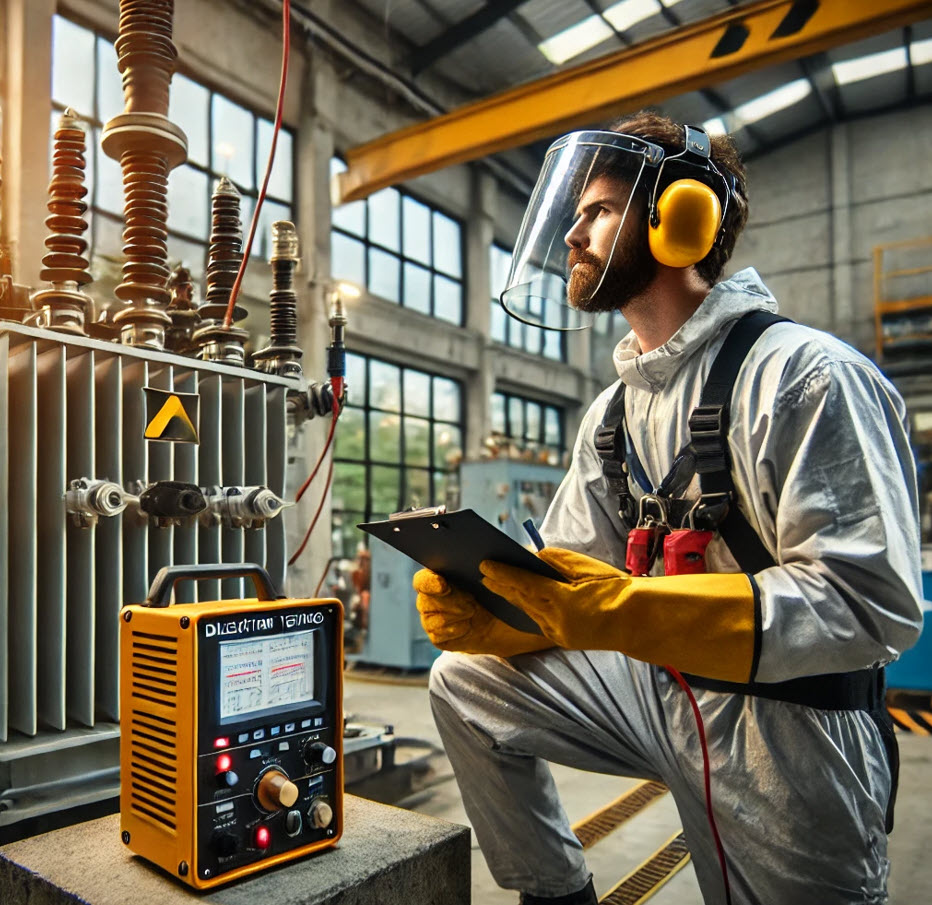
Load Tap Changers (LTCs) are integral components of power transformers, playing a pivotal role in maintaining consistent voltage levels and ensuring the stability of electrical systems. These components work tirelessly to adjust the voltage according to varying load conditions, ensuring that transformers operate within safe voltage limits. However, as with all mechanical and electrical systems, LTCs require regular maintenance to continue functioning effectively.
Unfortunately, many electrical professionals overlook the maintenance needs of LTCs until something goes wrong. Ignoring maintenance can have severe consequences that can lead to costly repairs, prolonged downtime, and potential safety hazards. As someone who’s spent years working in the power industry, I’ve seen the impacts of neglected LTC maintenance firsthand, and I can assure you—these consequences are often more severe than anticipated.
In this article, we’ll explore the shocking consequences of neglecting LTC maintenance, why it’s critical to stay on top of this task, and how regular care can prevent major issues that can disrupt your operations and put your team at risk.
Understanding the Role of Load Tap Changers
Before we dive into the consequences of neglecting LTC maintenance, it’s important to understand their critical function.
An LTC is responsible for adjusting the voltage on a transformer by selecting different winding taps. As the load on the transformer fluctuates, the LTC switches between these taps to maintain consistent voltage levels. This function is crucial in preventing voltage swings that can damage both the transformer and connected equipment. Without a properly functioning LTC, voltage regulation can become erratic, leading to both short- and long-term problems.
Over the years, I’ve worked on multiple transformer maintenance projects, and one thing I can say for sure is that the health of the LTC directly impacts the overall performance of the transformer. If it’s neglected, everything downstream suffers.
The Dangers of Ignoring LTC Maintenance
2.1 Voltage Instability and Equipment Damage
The most immediate and noticeable consequence of failing to maintain the LTC is voltage instability. LTCs are designed to keep the transformer’s output voltage within a tight range. When the LTC malfunctions due to wear, contamination, or lack of lubrication, it can lead to:
- Under-voltage or over-voltage conditions: A poorly maintained LTC may fail to change taps correctly, leading to a significant deviation from the desired voltage levels. This can result in equipment failures, brownouts, or overvoltage situations.
- Damage to sensitive equipment: In an industrial setting, many devices rely on a stable voltage to operate correctly. Fluctuating voltages can fry sensitive electronics, cause motors to overheat, or trigger circuit breakers.
Case Study:
In one instance, a major manufacturing plant experienced an equipment shutdown due to fluctuating voltage. A failed LTC had caused voltage to surge beyond operational limits, leading to a series of blown circuit breakers and extensive damage to several expensive pieces of equipment. The total cost of repairs and downtime ran into the tens of thousands of dollars.
2.2 Increased Risk of Transformer Failures
An LTC that isn’t maintained properly can stress the transformer in several ways:
- Excessive heating: Poor tap changer performance increases resistance in the transformer’s windings, leading to higher operational temperatures. This can stress insulation and lead to breakdowns.
- Physical damage: If the LTC’s mechanical parts aren’t cleaned and lubricated, they can wear out prematurely, leading to catastrophic failures. Additionally, the increased wear can result in a tap changer mechanism that refuses to function when it’s most needed.
Personal Experience:
I’ve seen what happens when LTCs are ignored for too long. On one project, a neglected LTC was responsible for causing an oil leak in the transformer due to excessive heat buildup. We had to replace the entire transformer core—an expensive and time-consuming process that could have been avoided with proper maintenance.
2.3 Safety Hazards for Personnel
Transformers are high-voltage devices, and any malfunction in the LTC can escalate into a safety hazard for personnel. If an LTC’s malfunction leads to arc flashes or other electrical faults, the risk to workers handling the equipment becomes significant.
- Arc flashes: When the tap changer malfunctions or operates erratically, it can lead to sudden electrical arcs, which can cause severe burns, blindness, or worse.
- Explosion risk: If overheating or short-circuiting occurs due to LTC failure, there’s also the risk of a transformer explosion, which could result in severe injury or even fatalities.
During a routine inspection, I encountered an LTC that was so corroded that it was on the verge of shorting out. If it had failed under load, the resulting explosion could have been catastrophic. Thankfully, with proper care and attention, the problem was caught early, and no one was harmed.
Common Problems Caused by Poor Maintenance
When LTC maintenance is neglected, several issues can arise:
- Poor Tap Changing: If the LTC isn’t functioning properly, it may fail to switch taps correctly, resulting in an imbalance of voltage.
- Excessive Heat Generation: Dirty or worn-out parts can lead to higher resistance, causing excessive heat in the transformer.
- Contamination: Dirt, dust, and moisture can enter the LTC mechanism, causing corrosion and mechanical failure.
- Increased Wear: Without proper lubrication, mechanical parts in the LTC can wear down quickly, leading to expensive repairs.
The Cost of Delayed Repairs
When LTC problems are left unaddressed, the repairs become more extensive—and expensive. For example:
- Reactive repairs can be up to 4-5 times more costly than preventative maintenance.
- Extended downtime due to LTC failures can result in lost revenue, equipment damage, and the need for emergency repairs.
Preventative Maintenance: The Key to Avoiding Disaster
Preventative maintenance involves regular checks and timely interventions to avoid the shocking consequences of LTC failure. Here are some best practices for LTC maintenance:
- Regular Inspections: Perform routine mechanical and electrical checks on the LTC to ensure it’s functioning as it should.
- Cleaning and Lubrication: Clean and lubricate the mechanical components of the LTC regularly to prevent wear and tear.
- Insulation Resistance Testing: Test the insulation resistance of the LTC to avoid electrical faults that could damage the transformer.
- Test Tap Changing: Ensure that tap changing is occurring at the correct intervals and under the appropriate load conditions.
Tools and Techniques for Effective LTC Maintenance
Effective maintenance requires the right tools and techniques:
- Insulation Resistance Testers: For checking the insulation integrity of the LTC.
- Torque Wrenches: To ensure that all mechanical components are properly tightened.
- Lubrication Equipment: Proper tools for applying lubrication to moving parts without overdoing it.
- Thermal Cameras: To detect overheating components.
Training Your Team for Consistent LTC Care
Training your maintenance team is critical for preventing issues:
- Regular training sessions on how to inspect, test, and maintain LTCs.
- Safety training to ensure that workers understand the risks involved in transformer maintenance.
- Knowledge sharing to ensure everyone is up to date with the latest techniques and best practices.
Case Studies: Real-Life Examples of LTC Maintenance Failures
Several major transformer failures in history could have been prevented with regular LTC maintenance. From oil leaks to fire hazards, LTC neglect has caused costly and dangerous incidents. One memorable case I worked on involved a large power grid failure that traced back to a malfunctioning LTC. The lack of routine checks had allowed corrosion to build up on key contacts, eventually causing a short circuit that affected the entire grid for several days.
Conclusion: The Importance of Proactive LTC Care
Ignoring Load Tap Changer maintenance can have catastrophic consequences, from equipment damage to safety hazards and costly downtime. By implementing a preventative maintenance program, investing in training, and using the right tools, you can ensure that your LTCs run smoothly, keeping your transformers and electrical systems safe and efficient. In my experience, the best time to fix a problem is before it happens—don’t wait for the shock of failure to make you take action.