
Introduction: Electrical equipment, from transformers to circuit breakers and cables, plays a critical role in ensuring the smooth operation of power systems. One of the most important factors affecting the performance and reliability of these assets is the condition of their insulation. Insulation failures are a leading cause of electrical breakdowns, downtime, and expensive repairs.
In this article, we’ll explore the importance of electrical equipment insulation testing, how it helps ensure optimal performance, and why regular testing should be a cornerstone of your maintenance routine.
What is Electrical Equipment Insulation Testing?
Insulation testing is a procedure designed to evaluate the quality and integrity of the insulating materials used in electrical equipment. These materials, such as rubber, plastic, or ceramic, prevent unwanted current flow between different components and ensure safe operation. Over time, insulation can deteriorate due to environmental factors, aging, and stress, which can lead to electrical failures.
Common types of insulation tests include:
- Insulation Resistance Testing: Measures the resistance of the insulation material to current leakage. A high resistance value indicates good insulation.
- Dielectric Strength Testing: Determines the insulation’s ability to withstand high voltages without breaking down.
- Power Factor Testing: Evaluates the dissipation of energy in the insulation, which can indicate degradation.
Why Insulation Testing is Crucial for Electrical Equipment Performance
Proper insulation is essential for the safe and reliable operation of electrical systems. When insulation fails, it can lead to several negative consequences, including:
- Electrical Short Circuits: Insulation failure can cause short circuits, leading to system outages, equipment damage, or even fires.
- Overheating and Reduced Efficiency: Poor insulation can result in energy losses, overheating, and reduced efficiency in equipment, increasing operating costs.
- Increased Downtime: Failure to detect insulation issues early can lead to unexpected breakdowns and costly downtime.
- Safety Risks: Insulation breakdowns increase the risk of electrical shocks, fires, and other safety hazards, putting both personnel and equipment at risk.
By regularly testing the insulation of electrical equipment, you can catch problems early, avoid major failures, and maintain a safe and efficient operation.
How Insulation Testing Improves Performance
Regular insulation testing can significantly improve the performance and longevity of electrical systems. Here’s how:
1. Early Detection of Insulation Weaknesses
By testing insulation regularly, you can detect issues before they become critical. For example, low insulation resistance values can indicate that the insulation is beginning to degrade, allowing you to address the issue before it leads to a full failure. Early detection can help prevent costly repairs and minimize downtime.
2. Increased Equipment Reliability
Electrical equipment with healthy insulation is less likely to fail unexpectedly. Regular testing ensures that insulation continues to perform its job of protecting electrical components from overvoltage and leakage currents. This results in greater overall system reliability.
3. Extended Equipment Lifespan
Insulation degradation is one of the primary causes of equipment failure. By regularly testing and maintaining insulation, you can extend the life of electrical assets. This leads to better return on investment, as well-maintained equipment tends to last longer and requires fewer repairs.
4. Optimized Operational Efficiency
When insulation is in good condition, equipment runs more efficiently. There is less leakage current, less heat generation, and less energy waste. This results in lower operational costs and improved overall system performance.
5. Enhanced Safety
Ensuring that insulation is in good condition minimizes the risk of electrical accidents, including shocks and fires. By keeping insulation intact, you protect both your employees and the equipment, ensuring a safer working environment.
Types of Insulation Testing for Electrical Equipment
There are various methods for testing insulation, each designed to assess different aspects of insulation performance. The most common testing methods include:
1. Insulation Resistance Testing
Insulation resistance testing is the most commonly used method for assessing the integrity of insulation. A megohmmeter (insulation resistance tester) is used to apply a high DC voltage to the insulation and measure the resistance. High resistance values (typically in the megaohm range) indicate that the insulation is in good condition, while low resistance values suggest degradation or damage.
2. Dielectric Strength Testing
Dielectric strength testing involves applying a high AC or DC voltage to the insulation and determining the voltage level at which the material breaks down. This test is typically performed on transformers, cables, and other high-voltage equipment to ensure that the insulation can handle operational stress levels.
3. Power Factor Testing
Power factor testing measures the amount of energy lost as heat due to insulation leakage. A higher power factor indicates that more energy is being lost, which can be a sign of aging or degraded insulation. This test helps identify insulation problems that may not be detected through other methods.
4. Tan Delta Testing
Tan delta testing is similar to power factor testing but is typically used for high-voltage equipment such as transformers. It measures the dissipation factor of the insulation, which helps identify any changes in the insulation’s dielectric properties. A high tan delta value can indicate that the insulation is starting to break down.
When to Perform Insulation Testing
Insulation testing should be performed regularly as part of a preventive maintenance program. Specific instances when insulation testing should be conducted include:
- After Installation: New equipment should undergo insulation testing to ensure that it was installed properly and that the insulation is intact.
- During Regular Maintenance: As part of routine checks, insulation testing should be done annually or semi-annually, depending on the type of equipment and its operational environment.
- After Repairs: If equipment has been repaired or modified, insulation testing should be done to ensure the repairs have not compromised the insulation.
- Before Equipment Start-Up: When bringing equipment back online after being offline for maintenance or after long periods of inactivity, insulation testing should be done to verify the integrity of the insulation.
How to Perform Insulation Testing Safely
High-voltage insulation testing can be dangerous if not performed properly. Always follow these safety guidelines:
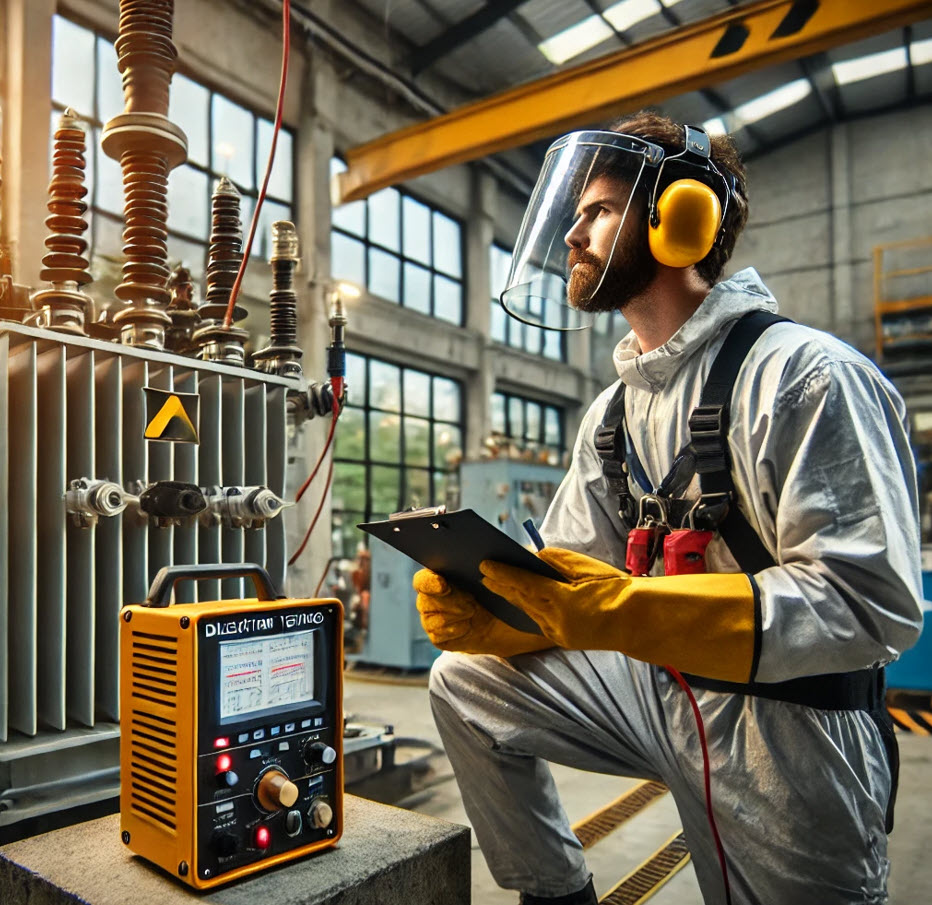
- Use Personal Protective Equipment (PPE): Wear appropriate PPE, including insulated gloves, face shields, and flame-resistant clothing.
- Follow Manufacturer Guidelines: Always refer to the manufacturer’s instructions for proper testing procedures and voltage levels.
- Secure the Testing Area: Ensure the testing area is properly cordoned off to prevent unauthorized personnel from entering the area during testing.
- Use Proper Tools: Use calibrated and certified insulation testers to ensure accurate results.
Safety is paramount when testing high-voltage equipment, and taking the necessary precautions helps protect both personnel and equipment.
Conclusion
Regular electrical equipment insulation testing is crucial for ensuring the performance, safety, and longevity of electrical systems. By identifying weaknesses in insulation early on, you can prevent unexpected failures, reduce downtime, and extend the life of your equipment.
Incorporating insulation testing into your preventive maintenance program will help you maintain optimal performance, reduce operational costs, and create a safer working environment.
If you’re looking for reliable insulation testing equipment or need expert assistance in implementing a testing program, contact us for more information.