
Introduction
Transformers are the backbone of modern electrical grids, ensuring voltage is stepped up or down as needed for efficient power transmission. Ensuring their reliability is critical—especially when it comes to insulation integrity. One of the most effective ways to evaluate transformer insulation is by using a lightning impulse generator. This specialized device simulates lightning strikes and surge conditions, allowing engineers to test and verify that transformers can withstand extreme voltage surges. In this article, we’ll discuss how to choose the right lightning impulse generator for transformers to ensure safety, performance, and compliance with industry standards.
Understanding Lightning Impulse Generators
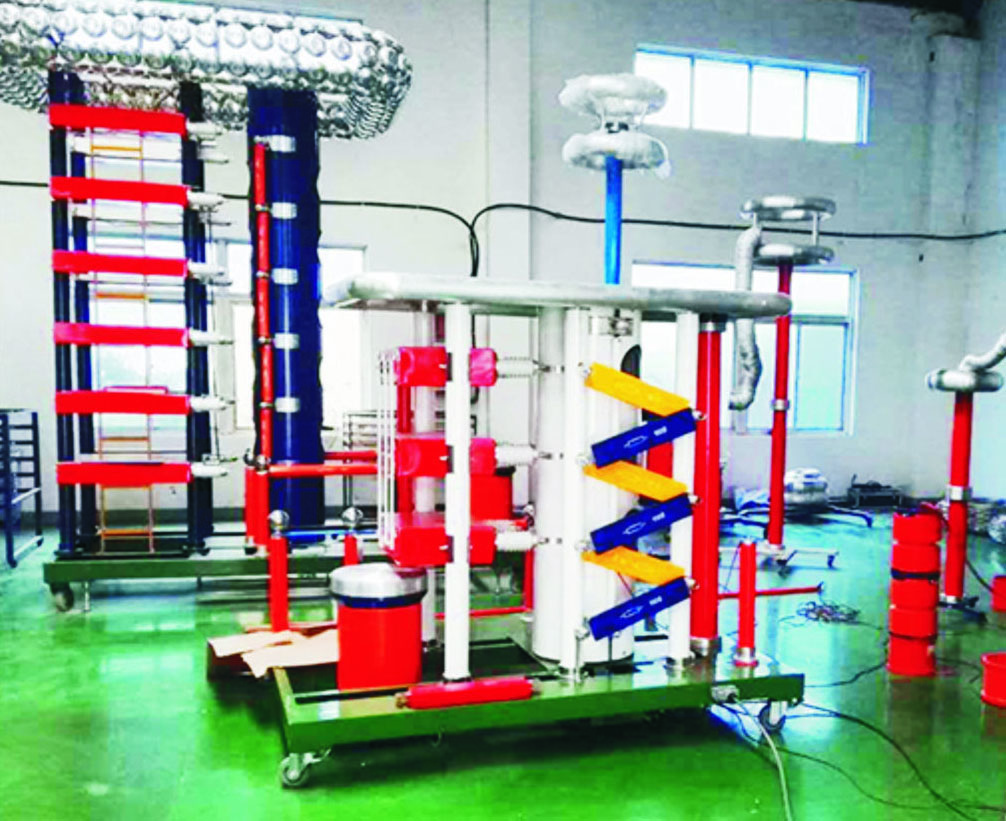
A lightning impulse generator produces short-duration, high-voltage pulses that mimic natural lightning impulses. These generators are designed to apply a controlled surge to transformers, revealing any hidden insulation weaknesses and providing critical data on dielectric strength. The key components include:
- Impulse Voltage Generator: Stores and releases energy quickly.
- Wave Shaping Circuit: Ensures the pulse closely replicates real-world lightning characteristics.
- Control and Monitoring Unit: Measures parameters such as peak voltage and leakage current.
Why Transformer Testing Matters
Transformers operate under high stress and require robust insulation to prevent failures. Lightning impulse testing helps in:
- Detecting Insulation Weaknesses: Identifying areas of degradation before they lead to catastrophic failure.
- Enhancing Reliability: Ensuring that transformers meet safety standards and perform consistently.
- Extending Equipment Lifespan: Proactive testing reduces unexpected outages and extends service life.
- Regulatory Compliance: Meets standards such as IEC 60060 and IEEE C57.12.90.
Key Factors to Consider When Choosing a Lightning Impulse Generator
- Voltage and Current Capabilities
Ensure the generator can deliver the required voltage range for your transformer applications. Look for equipment that offers high peak voltage outputs while maintaining low current levels to simulate realistic surge conditions without damaging the transformer. - Waveform Accuracy and Control
A quality impulse generator should produce a waveform that accurately mirrors natural lightning impulses. Look for features like adjustable rise times and pulse durations, which are critical for meeting specific testing requirements. - Safety Features
Safety is paramount when testing high voltage equipment. Choose a generator with built-in safety mechanisms, such as automatic shutdown, overload protection, and proper insulation. These features help protect both the equipment under test and the operators. - Ease of Use and Automation
Opt for a system with a user-friendly interface and automation capabilities. Advanced digital controls and real-time monitoring make it easier to set up tests, adjust parameters, and analyze results, improving overall efficiency. - Portability and Installation Requirements
Depending on whether your tests are conducted in a lab or on-site, the portability of the impulse generator may be important. Compact and modular designs can reduce setup time and simplify transportation between testing sites. - Compliance with Industry Standards
The generator should comply with relevant international standards, ensuring that your test results are recognized globally. Check for certifications and adherence to standards such as IEC and IEEE. - Cost and Long-Term Investment
While upfront costs are important, consider the long-term savings from reduced maintenance, lower energy consumption, and improved reliability. A high-quality lightning impulse generator is an investment that pays off by preventing costly transformer failures.
Real-World Applications
Lightning impulse generators are widely used in transformer testing across various industries:
- Utility Companies: Ensure that grid transformers meet strict reliability standards.
- Manufacturing: Verify that new transformers are built to withstand surge conditions before installation.
- Research Laboratories: Study the effects of impulse voltage on different insulation materials and transformer designs.
Conclusion
Choosing the right lightning impulse generator for transformers is critical to ensuring the safety and longevity of your high voltage assets. By considering factors like voltage capabilities, waveform accuracy, safety features, and industry compliance, you can select a generator that meets your specific testing needs. Investing in the right equipment not only improves testing accuracy but also helps prevent unexpected transformer failures, reducing downtime and maintenance costs.
Call to Action
Ready to enhance your transformer testing process with lightning impulse generation? Contact us today for a consultation or to schedule a demo of our advanced high voltage testing solutions.