

Transformer Load Tap Changer Testing is a critical procedure in the electric power industry, essential for ensuring transformers’ efficient and reliable operation. This article aims to provide electric power industry workers with a comprehensive, practical guide to conducting LTC tests, emphasizing critical steps and best practices.
Understanding Transformer Load Tap Changers
Basic Concepts
Load tap changers (LTCs) are essential components in transformers, responsible for adjusting the transformer’s turns ratio to regulate output voltage under varying load conditions. LTCs help maintain voltage stability, reduce energy losses, and enhance system reliability. There are two main types of LTCs: on-load tap changers, which operate under load conditions, and off-load tap changers, which require the transformer to be de-energized for tap changes.
Theoretical Background
The operation of LTCs is based on electrical principles that involve changing the transformer’s turns ratio. By selecting different tap positions, LTCs adjust the voltage ratio between the primary and secondary windings. This adjustment helps compensate for voltage variations caused by load changes, ensuring consistent voltage supply to the grid.
Common Load Tap Changer Configurations
LTCs can be mechanical or electronic. Mechanical LTCs use physical contacts and switching mechanisms, while electronic LTCs use solid-state devices for tap changing. Understanding the configuration and operation of the LTC in your transformer is essential for accurate testing and maintenance.
Importance of Load Tap Changer Testing
Ensuring Operational Efficiency
Regular LTC testing helps maintain transformers’ operational efficiency by ensuring optimal tap changer performance. Properly functioning LTCs reduce energy losses, improve voltage regulation, and enhance overall system reliability.
Identifying Potential Issues
LTC testing can detect early signs of mechanical wear, electrical contact issues, and control malfunctions. Identifying these issues early allows for timely maintenance and repairs, preventing unplanned outages and costly repairs.
Regulatory and Safety Compliance
Adhering to industry standards and regulations is crucial for ensuring safety and reliability. LTC testing helps meet these standards, safeguarding both equipment and personnel from electrical hazards.
Equipment and Tools for Load Tap Changer Testing
Necessary Instruments
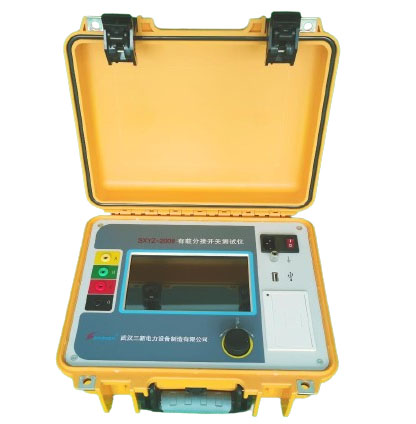
LTC testers and diagnostic tools are essential for conducting accurate tests. Modern LTC testers offer features like automatic test sequences, data storage, and advanced diagnostics. These tools are crucial for efficient and reliable testing.
Calibration and Maintenance
Regular calibration of LTC testing equipment is vital for maintaining accuracy. Additionally, routine maintenance ensures the longevity and reliability of the instruments. Properly calibrated and maintained equipment provides reliable test results, minimizing the risk of errors.
Safety Gear
Proper personal protective equipment (PPE) is essential for protecting personnel during testing. This includes insulated gloves, safety glasses, and grounding tools. Adhering to safety protocols minimizes the risk of accidents and injuries during testing.
Detailed Testing Procedure
Pre-Testing Preparations
Before starting an LTC test, it is essential to follow all safety protocols. Ensure that the transformer and LTC are de-energized and properly grounded. Double-check all connections and equipment settings to ensure a safe and accurate test.
Step-by-Step Testing Process
- Visual Inspection of the LTC: Examine the LTC for signs of wear, damage, and contamination.
- Electrical Testing of Contacts and Mechanism: Use an LTC tester to measure the resistance and continuity of contacts and mechanisms.
- Functional Testing of Control Systems: Verify the proper operation of LTC control systems, including automatic and manual controls.
- Recording and Analyzing Results: Document all test results and compare them with industry standards and the transformer’s historical data to assess LTC condition.
Common Test Methods
- Static Resistance Measurement: Measures the resistance of LTC contacts to identify wear and contamination.
- Dynamic Resistance Measurement (DRM): Analyzes the resistance during tap changes to detect mechanical issues and contact problems.
- Frequency Response Analysis: Assesses the LTC’s electrical performance over a range of frequencies to detect anomalies.
- Thermographic Inspection: Uses infrared imaging to identify hot spots and thermal anomalies in the LTC.
Troubleshooting and Common Issues
Identifying Test Failures
Common signs of test failures include inconsistent readings, high resistance values, and fluctuating measurements. Identifying these issues promptly is critical for effective troubleshooting.
Addressing Discrepancies
When test results deviate from expected values, investigate potential causes such as loose connections, worn contacts, or control system malfunctions. Corrective actions may include retesting, repairing contacts, or recalibrating control systems.
Case Studies
Real-world examples of LTC testing issues and their resolutions provide valuable insights. For instance, during a routine LTC test, high resistance values were detected in several tap positions. Further investigation revealed worn contacts, which were replaced, restoring the LTC’s performance.
Best Practices and Tips
Ensuring Accurate Measurements
- Proper Connections: Ensure all connections are secure and correctly configured.
- Avoid Electromagnetic Interference: Conduct tests in an environment free from electromagnetic interference.
- Follow Systematic Procedures: Adhere to a step-by-step testing process to minimize errors.
Improving Efficiency and Safety
Streamline the testing process by using modern LTC testers with automated features. Enhance safety measures by strictly following all safety protocols and wearing appropriate PPE.
Continuous Learning and Training
Ongoing education is vital for testing personnel to stay updated with the latest techniques and standards. Participate in training programs and certifications to enhance skills and knowledge.
Load tap changer testing is a critical procedure for maintaining the efficiency and reliability of transformers in the electric power industry. By following the detailed guidelines provided in this article, industry workers can ensure accurate testing, identify potential issues early, and contribute to the overall safety and performance of the electrical grid.