

Transformer Turns Ratio Testing (TTR) is a cornerstone procedure in the electric power industry, essential for ensuring transformers’ efficient and reliable operation. This guide aims to equip electric power industry workers with a comprehensive understanding of TTR tests, emphasizing accuracy, safety, and adherence to industry standards.
Understanding Transformer Turns Ratio
Basic Concepts
The Transformer Turns Ratio (TTR) is the ratio of the number of turns in the primary winding to the number of turns in the secondary winding. This ratio is critical because it determines the transformer’s voltage transformation capabilities. A correct turns ratio ensures that the transformer operates efficiently, delivering the expected output voltage and maintaining the stability of the electrical system.
Theoretical Background
At its core, TTR testing is rooted in the principles of electromagnetic induction. When alternating current (AC) flows through the primary winding, it creates a magnetic field that induces a voltage in the secondary winding. The relationship between the primary and secondary voltages is directly proportional to their respective turns.
For example, if a transformer has 1000 turns on the primary winding and 100 turns on the secondary winding, the turns ratio is 10:1. If the input voltage is 1000V, the output voltage should ideally be 100V.
Common Transformer Types and Their Ratios
- Distribution Transformers: Typically have a higher turns ratio to step down high transmission voltages to lower, usable levels for residential and commercial use.
- Power Transformers: Used in transmission networks to step up or step down voltages. They require precise turns ratios to handle large power loads.
- Specialty Transformers: Designed for specific applications, such as isolation transformers, which require unique turns ratios to function effectively.
Importance of Transformer Turns Ratio Testing
Ensuring Operational Efficiency
Regular TTR testing is crucial for maintaining the operational efficiency of transformers. An accurate turns ratio ensures that transformers perform optimally, reducing energy losses and improving overall system efficiency.
Identifying Potential Issues
TTR testing helps identify manufacturing defects, winding or core problems, and other anomalies that can affect transformer performance. Early detection of these issues can prevent costly failures and downtime.
Regulatory and Safety Compliance
Adhering to industry standards and regulations is vital for safety and reliability. TTR testing ensures transformers meet these standards, safeguarding both equipment and personnel.
Equipment and Tools for TTR Testing
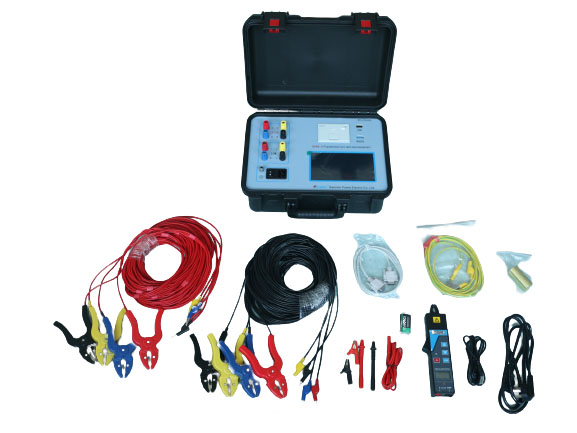
Necessary Instruments
Modern TTR testers are equipped with advanced features such as automated measurement, data storage, and diagnostic capabilities. These tools are essential for conducting accurate and efficient tests.
Calibration and Maintenance
Regular calibration of TTR testing equipment is crucial to maintain accuracy. Additionally, routine maintenance ensures the longevity and reliability of the instruments.
Safety Gear
Proper personal protective equipment (PPE), including insulated gloves, safety glasses, and grounding tools, is essential to protect personnel during testing. Adhering to safety protocols minimizes the risk of accidents and injuries.
Detailed Testing Procedure
Pre-Testing Preparations
Before starting a TTR test, it is essential to follow all safety protocols. Ensure that the transformer is de-energized and properly grounded. Double-check all connections and equipment settings.
Step-by-Step Testing Process
- Connect the TTR Tester: Attach the TTR tester leads to the primary and secondary windings of the transformer.
- Measure Primary and Secondary Voltages: Use the TTR tester to measure the voltages on both windings.
- Calculate the Turns Ratio: The TTR tester will calculate the ratio based on the measured voltages.
- Compare with Nameplate Ratio: Verify that the measured ratio matches the ratio specified on the transformer’s nameplate. Any significant deviation indicates a potential issue.
Recording and Analyzing Results
Document all test results meticulously. Analyze any discrepancies to determine their cause. Deviations from the expected ratio can indicate issues such as shorted windings or core damage.
Troubleshooting and Common Issues
Identifying Test Failures
Common signs of test failures include inconsistent readings, significant deviations from the nameplate ratio, and unexpected voltage measurements. Identifying these issues promptly is critical for effective troubleshooting.
Addressing Discrepancies
When test results deviate from expected values, investigate potential causes such as loose connections, damaged windings, or incorrect test setup. Corrective actions may include retesting, repairing connections, or replacing faulty components.
Case Studies
Real-world examples of TTR testing issues and their resolutions provide valuable insights. For instance, during a routine TTR test, an unexpected deviation was detected in a distribution transformer. Further investigation revealed a partially shorted winding, which was promptly repaired, preventing a potential failure.
Best Practices and Tips
Ensuring Accurate Measurements
- Proper Connections: Ensure all connections are secure and correctly configured.
- Avoid Electromagnetic Interference: Conduct tests in an environment free from electromagnetic interference.
- Follow Systematic Procedures: Adhere to a step-by-step testing process to minimize errors.
Improving Efficiency and Safety
Streamline the testing process by using modern TTR testers with automated features. Enhance safety measures by strictly following all safety protocols and wearing appropriate PPE.
Continuous Learning and Training
Ongoing education is vital for testing personnel to stay updated with the latest techniques and standards. Participate in training programs and certifications to enhance skills and knowledge.
Transformer Turns Ratio Testing is a critical procedure for maintaining the efficiency and reliability of transformers in the electric power industry. By following the detailed guidelines provided in this article, industry workers can ensure accurate testing, identify potential issues early, and contribute to the overall safety and performance of the electrical grid.