
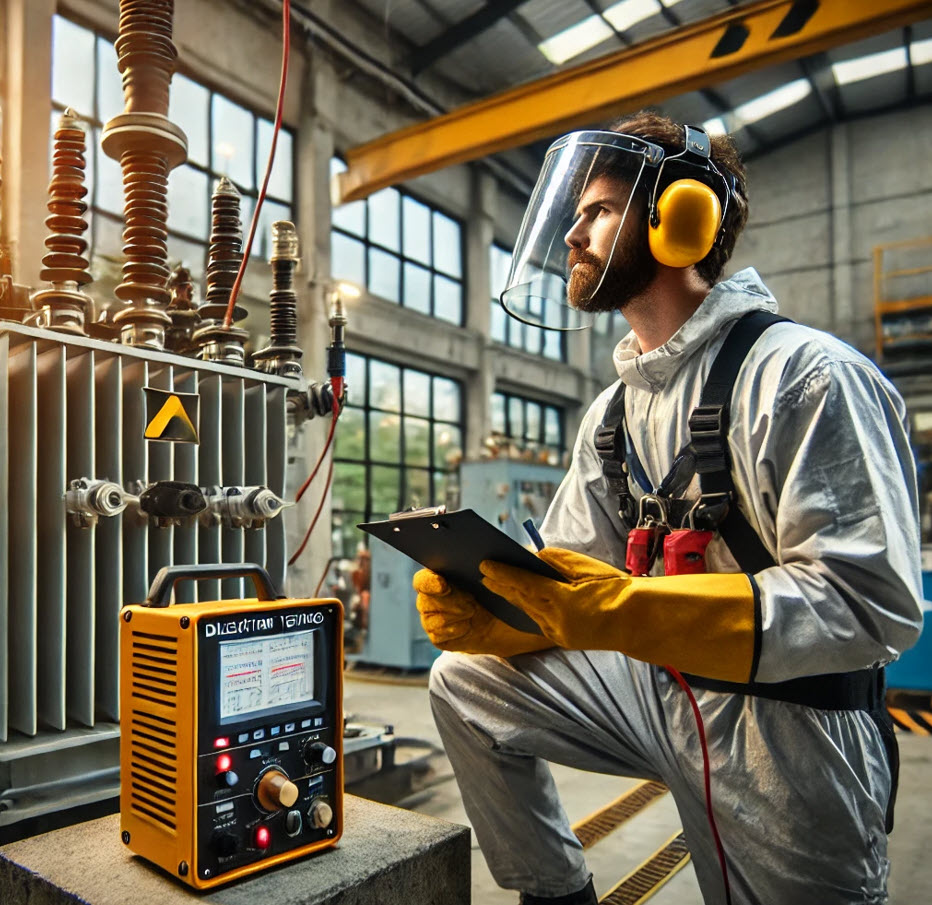
Safety is the cornerstone of every operation in the electric power industry. With high voltages and heavy machinery, ensuring that all equipment is properly insulated and safe to operate is paramount. Dielectric testing plays a critical role in maintaining this safety by assessing the integrity of insulation systems, preventing potential hazards before they occur. In this article, we will explore how dielectric testing contributes to unmatched safety in the industry, providing practical insights and real-world examples.
The Role of Dielectric Testing in Safety
Why Dielectric Testing is Essential
Dielectric testing evaluates the insulation strength of electrical equipment, ensuring it can withstand operating voltages without failure. This is crucial for preventing electrical shocks, fires, and equipment damage. By identifying potential insulation weaknesses early, dielectric testing helps avoid dangerous situations that could compromise both equipment and human life.
Personal Experience: A Lesson in Safety
I remember a case where a seemingly minor insulation fault in a high-voltage transformer led to a significant safety incident. The transformer had passed visual inspections but failed a dielectric test. The test revealed a breakdown in the insulation that could have caused a major electrical fault if left undetected. This incident reinforced the importance of dielectric testing as a preventative measure in ensuring safety.
Key Dielectric Test Methods and Their Safety Implications
Dielectric Withstand Test

The dielectric withstand test is designed to ensure that insulation can endure a specified voltage for a given period without breaking down. This test is vital for verifying the safety of new or repaired equipment before it is put into service.
Practical Tips for Conducting a Dielectric Withstand Test
- Gradual Voltage Application: Apply voltage gradually to avoid sudden stress on the insulation, which could cause unnoticed weaknesses to fail.
- Monitoring: Continuously monitor the equipment during testing for signs of stress or breakdown.
- Documentation: Keep detailed records of test results to track the condition of insulation over time.
Insulation Resistance Test

The insulation resistance test measures the resistance of insulation to the flow of current. High resistance indicates good insulation, while low resistance may suggest moisture ingress, contamination, or deterioration.
How Insulation Resistance Testing Enhances Safety
- Early Detection: Regular insulation resistance testing can detect insulation degradation before it becomes a safety issue.
- Preventative Maintenance: Use this test as part of a routine maintenance schedule to prevent unexpected insulation failures.
Partial Discharge Testing

Partial discharge (PD) testing identifies small electrical discharges within insulation that could indicate the early stages of insulation failure. By detecting these discharges, PD testing helps prevent catastrophic failures that could lead to serious safety incidents.
Implementing Partial Discharge Testing for Safety
- Regular Testing: Incorporate PD testing into your regular maintenance routine, especially for critical high-voltage equipment.
- Data Interpretation: Analyze PD data carefully to identify trends or patterns that suggest developing insulation problems.
Safety Standards and Compliance in Dielectric Testing
Importance of Adhering to Safety Standards
Compliance with industry safety standards, such as those set by the IEC, IEEE, and ASTM, is non-negotiable in dielectric testing. These standards ensure that testing procedures are consistent, reliable, and capable of identifying potential safety hazards.
Key Safety Standards to Follow
- IEC 60243: This standard outlines test methods for electric strength of solid insulating materials, crucial for ensuring that insulation can withstand operational voltages.
- IEEE 400: Focuses on field testing of insulation systems in power cables, including safety considerations for high-voltage testing.
- ASTM D149: Provides a method for dielectric breakdown voltage and dielectric strength testing, ensuring the safety of materials used in electrical equipment.
Common Safety Challenges in Dielectric Testing
Environmental Factors
Environmental conditions, such as humidity, temperature, and contamination, can significantly impact dielectric test results. For example, high humidity can lower insulation resistance, leading to false positives for potential insulation failures.
Mitigating Environmental Risks
- Controlled Testing Environment: Whenever possible, conduct tests in a controlled environment to minimize the impact of external factors.
- Use of Correction Factors: Apply correction factors to account for environmental variations that could affect test results.
Equipment Calibration and Maintenance
Dielectric testing equipment must be accurately calibrated and well-maintained to ensure reliable results. Inaccurate test results due to faulty equipment can lead to safety risks.
Best Practices for Equipment Maintenance
- Regular Calibration: Ensure that all testing instruments are calibrated according to manufacturer guidelines and industry standards.
- Routine Checks: Perform routine checks and maintenance on equipment to prevent unexpected failures during testing.
Real-World Applications of Dielectric Testing for Safety
Case Study: Transformer Safety Through Dielectric Testing
In a recent project, we were tasked with testing a series of aging transformers that had been in service for over 20 years. The dielectric tests revealed that several units had insulation that no longer met safety standards. By identifying these issues through dielectric testing, we were able to take corrective action before any serious incidents occurred, ensuring the continued safety of the power grid.
Anecdote: The Cost of Skipping Dielectric Testing
A colleague once shared a story of a plant that experienced a major electrical fire due to an undetected insulation fault. The plant had skipped routine dielectric testing to save time, which ultimately led to a costly and dangerous failure. This story serves as a stark reminder of the importance of dielectric testing in ensuring safety.
The Future of Dielectric Testing and Safety
Emerging Technologies
New technologies, such as real-time monitoring systems and automated dielectric testing equipment, are enhancing the ability to detect and address insulation issues before they become safety concerns. These advancements are making dielectric testing more efficient and reliable, further improving safety in the electric power industry.
The Growing Role of Predictive Maintenance
Predictive maintenance, powered by advanced data analytics and machine learning, is becoming increasingly important in the electric power industry. By integrating dielectric testing data into predictive maintenance programs, companies can proactively address potential safety issues, reducing the risk of unexpected failures.
Dielectric testing is a critical tool in ensuring the safety of electrical equipment in the power industry. By understanding and applying the key test methods—such as dielectric withstand, insulation resistance, and partial discharge testing—you can help prevent equipment failures and protect both personnel and infrastructure. Adhering to safety standards and addressing common challenges are essential steps in maintaining unmatched safety in your operations.
Make dielectric testing a central part of your safety strategy. Ensure that your team is trained in the latest testing methods and standards, and invest in the right equipment to carry out these tests effectively. By prioritizing dielectric testing, you can safeguard your operations and contribute to a safer, more reliable power industry.