
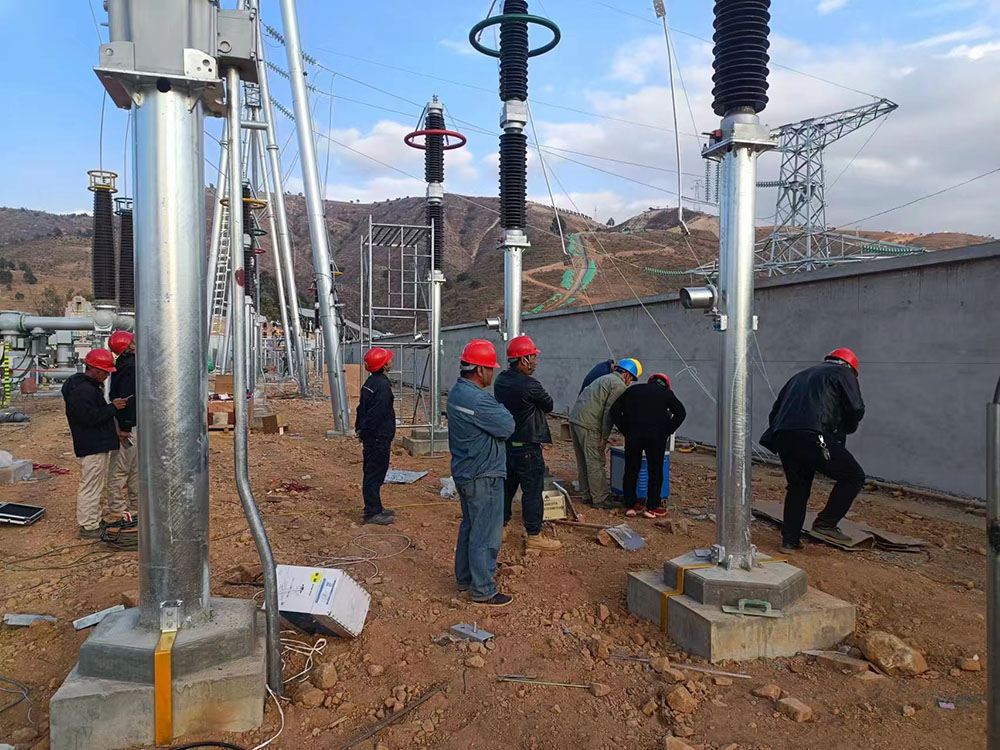
In the electric power industry, ensuring the safety and reliability of equipment is paramount. Dielectric testing is an essential part of this process, and having the right tools is critical for effective testing. This article will explore the must-have dielectric test equipment for every engineer, providing detailed insights and practical advice to help you make informed decisions.
The Importance of Dielectric Testing Equipment
Why Dielectric Testing is Crucial
Dielectric testing is the process of evaluating the insulation properties of electrical equipment. Proper testing ensures that the equipment can withstand high voltages without failure, preventing costly downtime and enhancing safety for both personnel and infrastructure.
Personal Experience: The Impact of Quality Equipment
Early in my career, I worked with a team that used outdated testing equipment. The results were inconsistent, leading to unnecessary re-testing and wasted time. Once we upgraded to modern, reliable dielectric test equipment, our efficiency improved, and we were able to identify issues more accurately. This experience highlighted the importance of investing in quality test equipment.
Essential Dielectric Test Equipment
1. Dielectric Withstand Tester (High-Pot Tester)
What is a Dielectric Withstand Tester?

A dielectric withstand tester, commonly known as a high-pot tester, is used to apply a high voltage to the insulation of electrical equipment to ensure it can withstand operating conditions without breaking down.
Key Features to Look For
-
- Adjustable Voltage Levels: Allows for precise control over the test voltage.
-
- Leakage Current Monitoring: Provides real-time data on leakage currents, which can indicate potential insulation issues.
-
- Safety Interlocks: Ensures that the tester shuts down automatically in case of a fault, protecting both the equipment and the operator.
Practical Applications
-
- Routine Maintenance: Use the high-pot tester for regular maintenance checks on transformers, cables, and switchgear.
-
- Commissioning Tests: Essential for verifying the insulation integrity of new equipment before it goes into service.
2. Insulation Resistance Tester

Understanding Insulation Resistance Testing
An insulation resistance tester measures the resistance of insulation material to the flow of electrical current. High resistance indicates good insulation, while low resistance may signal potential problems.
Features That Matter
-
- Wide Measurement Range: Capable of measuring high resistance values accurately.
-
- Auto-Ranging: Automatically adjusts the measurement range based on the insulation resistance.
-
- Temperature Compensation: Adjusts the readings based on temperature variations to provide accurate results.
Practical Insights
-
- Preventative Maintenance: Regularly test insulation resistance to catch potential insulation degradation before it leads to failure.
-
- Safety Compliance: Ensure that insulation meets industry standards for resistance, enhancing overall equipment safety.
3. Partial Discharge Detector

What is Partial Discharge Detection?
Partial discharge (PD) detectors are used to identify and measure small electrical discharges within insulation, which can indicate early stages of insulation breakdown.
Essential Features
-
- High Sensitivity: Capable of detecting very low levels of partial discharge.
-
- Real-Time Data Analysis: Provides immediate feedback on the condition of insulation, allowing for quick decision-making.
-
- Portable Design: Easy to transport and use in various locations, ideal for field testing.
Practical Application
-
- Condition Monitoring: Regular PD testing can help monitor the condition of critical equipment, such as transformers and generators, to prevent unexpected failures.
-
- Fault Diagnosis: Use PD detectors to diagnose insulation issues before they become serious, reducing downtime and repair costs.
4. Dielectric Breakdown Tester
Exploring Dielectric Breakdown Testing
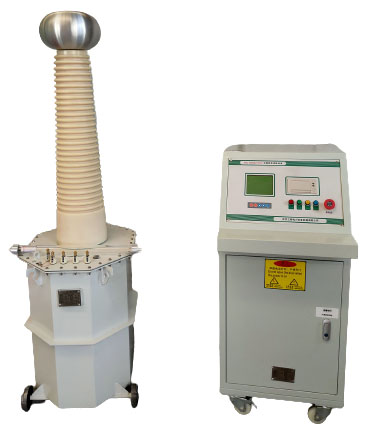
A dielectric breakdown tester determines the maximum voltage that insulation can withstand before it fails. This test is crucial for assessing the dielectric strength of materials.
Key Features
-
- Precision Voltage Control: Allows for gradual increase of voltage to determine the exact breakdown point.
-
- Automated Testing Sequences: Enables consistent testing procedures with minimal manual intervention.
-
- Safety Features: Includes protective barriers and automatic shutoff to ensure safe operation during testing.
Practical Uses
-
- Material Testing: Ideal for testing new insulation materials to ensure they meet required specifications.
-
- Quality Control: Use breakdown testing as part of the manufacturing process to ensure that insulation materials are up to standard.
5. Capacitance and Tan Delta Test Set
Understanding Capacitance and Tan Delta Testing
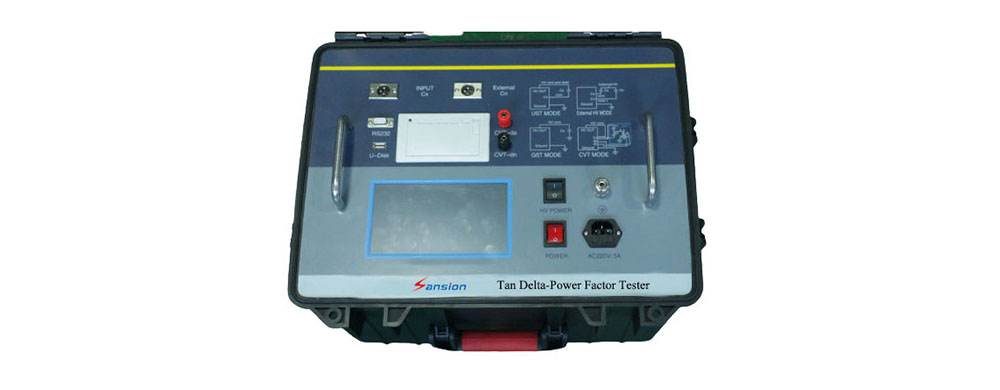
Capacitance and tan delta tests are used to evaluate the condition of insulation by measuring its dielectric properties. These tests help identify issues such as moisture ingress, aging, or contamination.
Important Features
-
- High Accuracy: Provides precise measurements of capacitance and dissipation factor (tan delta).
-
- Temperature Compensation: Ensures accurate readings by compensating for temperature effects.
-
- Data Logging: Records test results for trend analysis and reporting.
Practical Benefits
-
- Aging Analysis: Use capacitance and tan delta tests to assess the aging of insulation over time, helping to plan for maintenance and replacements.
-
- Moisture Detection: Identify moisture-related issues in insulation that could lead to future failures.
Integrating Dielectric Test Equipment into Your Workflow
Developing a Testing Routine
Incorporating dielectric test equipment into your routine maintenance and testing schedules is essential for ensuring ongoing equipment reliability.
Tips for a Successful Routine
-
- Regular Testing Intervals: Set up regular intervals for dielectric testing based on equipment type and criticality.
-
- Documentation: Keep detailed records of all test results to track insulation health over time.
-
- Training: Ensure that all team members are trained on the proper use of dielectric test equipment to maximize safety and accuracy.
Case Study: Improved Efficiency with the Right Equipment
In a recent project, we implemented a comprehensive dielectric testing program using modern equipment. The result was a significant reduction in unexpected equipment failures and an increase in overall operational efficiency. This success story underscores the importance of using the right tools for the job.
Common Challenges and How to Overcome Them
Equipment Calibration
Dielectric test equipment must be regularly calibrated to ensure accurate results.
Solution
-
- Schedule Regular Calibrations: Work with certified calibration services to ensure all equipment is functioning correctly.
-
- Cross-Check Results: Use different pieces of equipment to cross-check results and verify accuracy.
Interpreting Test Results
Understanding and interpreting dielectric test results can be challenging, especially when dealing with complex data.
Solution
-
- Training and Education: Invest in training programs to help engineers and technicians understand test results and their implications.
-
- Consult Experts: When in doubt, consult with experienced colleagues or industry experts to interpret difficult results.
Dielectric testing is a critical component of maintaining the safety and reliability of electrical equipment in the power industry. By investing in the right dielectric test equipment—such as high-pot testers, insulation resistance testers, partial discharge detectors, dielectric breakdown testers, and capacitance and tan delta test sets—you can ensure that your operations run smoothly and safely.
Equip yourself with the essential dielectric test equipment and integrate it into your maintenance routine. Stay informed about the latest advancements in testing technology, and ensure that your team is trained to use these tools effectively. By doing so, you will protect your equipment, ensure safety, and enhance the overall efficiency of your operations.