
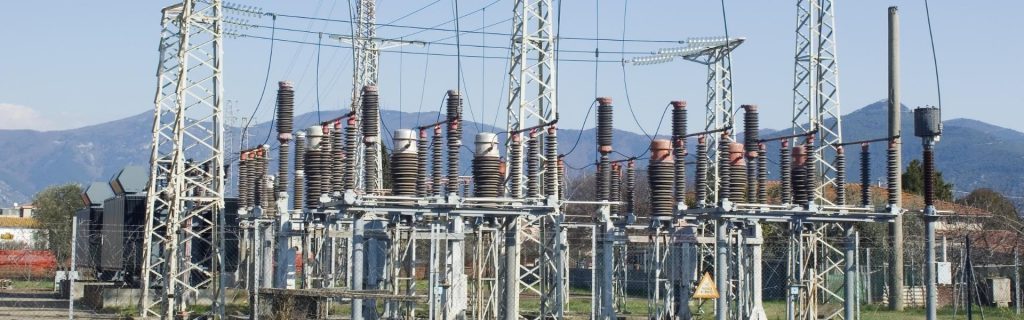
Dielectric testing is an essential practice in the electric power industry, yet many professionals may not fully appreciate the wide range of applications it encompasses. Beyond the routine checks and maintenance tasks, dielectric testing plays a critical role in ensuring the safety, reliability, and efficiency of various electrical systems and components. In this article, we’ll explore some of the most common—and perhaps surprising—applications of dielectric testing, providing practical insights and real-world examples that highlight its importance.
The Role of Dielectric Testing in the Electric Power Industry
Why Dielectric Testing is Essential
Dielectric testing evaluates the insulation properties of electrical equipment, ensuring it can withstand high voltages without breaking down. This testing is crucial for preventing electrical failures, ensuring safety, and extending the lifespan of electrical components.
Personal Experience: The Importance of Dielectric Testing
I recall an incident early in my career where a transformer that had not undergone proper dielectric testing failed catastrophically during a routine power-up. The failure caused significant downtime and repair costs, not to mention the potential safety hazards. This event underscored the critical role that dielectric testing plays in preventing such occurrences.
Common Dielectric Test Applications
1. Transformer Testing
Ensuring Insulation Integrity in Transformers
Transformers are among the most critical components in the power grid. Dielectric tests, such as the dielectric withstand test and partial discharge testing, are routinely applied to assess the insulation integrity of transformers.
Practical Application
- Routine Maintenance: Dielectric testing is a standard part of transformer maintenance to detect early signs of insulation degradation.
- Commissioning Tests: New transformers undergo dielectric tests to ensure they meet the required safety and performance standards before being put into service.
2. Cable Testing
Why Dielectric Testing is Vital for Cables
Cables are the arteries of the power system, carrying high-voltage electricity over long distances. Dielectric testing, including insulation resistance tests and high-pot tests, helps ensure that these cables can handle their operational voltages without failure.
Real-World Application
- Field Testing: Dielectric tests are commonly used in the field to verify the integrity of both new and existing cables.
- Post-Installation Testing: After installation, dielectric tests confirm that the cables have not been damaged during installation and are ready for operation.
3. Switchgear Testing
Maintaining Safety and Reliability in Switchgear
Switchgear controls and protects electrical circuits, making it a critical component in any power system. Dielectric testing is used to ensure that the insulation within switchgear is capable of handling high voltages without breaking down.
Practical Insights
- High-Pot Testing: This test is often used to check the insulation of switchgear components to prevent electrical faults.
- Partial Discharge Testing: Detects early signs of insulation failure within switchgear, allowing for timely maintenance before a fault occurs.
4. Circuit Breaker Testing
The Role of Dielectric Testing in Circuit Breakers
Circuit breakers must operate reliably under high voltage conditions to protect electrical circuits from damage. Dielectric tests, such as high-pot tests and insulation resistance tests, are critical for ensuring that the insulation within circuit breakers remains effective.
Practical Applications
- Routine Inspections: Dielectric testing is part of regular circuit breaker inspections to ensure they are ready to operate under fault conditions.
- Post-Repair Testing: After maintenance or repairs, dielectric tests verify that the insulation within the circuit breaker has been properly restored.
5. Motor and Generator Testing
Ensuring Insulation Integrity in Rotating Machinery
Motors and generators are subject to high electrical and mechanical stresses. Dielectric testing, particularly insulation resistance tests and dielectric withstand tests, is essential for ensuring the longevity and reliability of these machines.
Practical Applications
- Preventative Maintenance: Regular dielectric testing helps identify insulation degradation before it leads to machine failure.
- Commissioning New Equipment: Dielectric tests are performed on new motors and generators to ensure they are ready for operation.
Lesser-Known Dielectric Test Applications
1. Surge Arrester Testing
Protecting Against Overvoltage Events
Surge arresters protect electrical equipment from overvoltage events, such as lightning strikes. Dielectric testing is used to ensure that the insulation within surge arresters can handle these extreme conditions.
Practical Insights
- Dielectric Withstand Testing: Ensures that the surge arrester can operate under high-voltage conditions without failing.
- Routine Checks: Regular dielectric testing is part of surge arrester maintenance to ensure ongoing reliability.
2. Capacitor Testing
Ensuring Safe Operation of Capacitors
Capacitors are used in various power applications, from power factor correction to filtering. Dielectric testing is critical for verifying the insulation within capacitors, ensuring they operate safely and efficiently.
Real-World Application
- High-Pot Testing: Commonly used to verify the insulation strength of capacitors, particularly in high-voltage applications.
- Insulation Resistance Testing: Detects any potential insulation degradation that could affect capacitor performance.
3. Insulating Material Testing
Assessing the Quality of Insulating Materials
Dielectric tests are not just for electrical equipment—they are also used to assess the dielectric properties of insulating materials themselves. This is crucial for selecting the right materials for various electrical applications.
Practical Application
- Material Selection: Dielectric breakdown testing is used to determine the maximum voltage that insulating materials can withstand, guiding material selection for specific applications.
- Quality Control: Manufacturers use dielectric tests to ensure that insulating materials meet the required specifications.
4. Busbar Testing
Ensuring the Reliability of Busbars
Busbars are used to distribute power within electrical systems, and dielectric testing is crucial for ensuring their insulation can handle the operational voltages.
Practical Insights
- Partial Discharge Testing: Helps detect any early signs of insulation failure within busbars, preventing potential faults.
- Dielectric Withstand Testing: Ensures that busbars can operate safely under normal and fault conditions.
5. Battery System Testing
Verifying Insulation in Battery Systems
Battery systems, especially those used in critical applications like backup power, require reliable insulation. Dielectric testing ensures that the insulation in battery systems can handle the operational voltages without degrading.
Practical Applications
- Routine Maintenance: Dielectric tests are part of regular battery system maintenance to ensure ongoing reliability.
- Safety Compliance: Ensures that battery systems meet safety standards, particularly in high-voltage applications.
The Future of Dielectric Testing Applications
Emerging Technologies and Their Impact
As technology advances, new dielectric test applications are emerging. These include real-time monitoring systems that provide continuous data on insulation health, and automated testing systems that enhance efficiency and accuracy.
The Growing Importance of Predictive Maintenance
Predictive maintenance, which uses data from dielectric tests to anticipate equipment failures, is becoming increasingly important. By integrating dielectric testing into predictive maintenance programs, companies can reduce downtime and extend the lifespan of their equipment.
Dielectric testing is a versatile tool that plays a critical role in ensuring the safety, reliability, and efficiency of electrical systems in the power industry. From transformers to surge arresters, the applications of dielectric testing are vast and essential. By understanding and applying dielectric tests in these common—and sometimes surprising—areas, you can enhance the safety and reliability of your operations.
Don’t underestimate the power of dielectric testing. Make it a regular part of your maintenance routine and explore its applications across different components and systems. Stay informed about the latest advancements in testing technology, and ensure that your team is equipped to carry out these critical tests effectively. By doing so, you will protect your equipment, ensure safety, and enhance the overall performance of your electrical systems.