
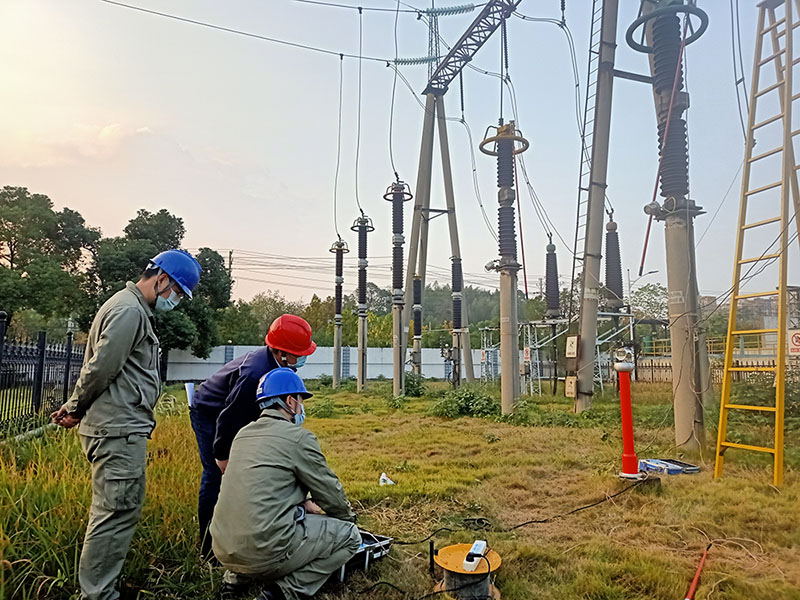
In the electric power industry, ensuring the reliability and safety of electrical equipment is crucial. AC voltage testing is a fundamental practice that helps assess the insulation integrity of various devices, including transformers, switchgear, and valves. As a professional electrical testing expert, I’ve seen the profound impact that mastering AC voltage testing techniques can have on operational efficiency and safety. Let me share a personal experience: during one project, a failure to properly test a transformer’s insulation led to a significant outage. That incident reinforced the need for rigorous testing practices and the importance of honing our skills in this area.
In this guide, we’ll explore essential AC voltage testing techniques, practical applications, best practices, and the future of testing in our industry.
Understanding AC Voltage Testing
What is AC Voltage Testing?
AC voltage testing, often referred to as hipot testing, is a procedure used to evaluate the insulation quality of electrical devices by applying an alternating current (AC) voltage. This method helps identify potential insulation failures that could lead to dangerous situations or equipment failure.
Applications of AC Voltage Testing
AC voltage testing is critical in various scenarios:
- Insulation Testing of Transformers: Ensures the integrity of the transformer’s insulation, preventing potential failures.
- Verification of Valve Performance: Confirms that valves operate correctly under voltage conditions.
- Maintenance Checks on Cables and Connectors: Assesses the health of cables to prevent outages and ensure safe operations.
By incorporating regular AC voltage testing, we can catch issues before they escalate into costly problems.
The Basics of AC Voltage Testing Techniques
Key Principles of AC Voltage Testing
Understanding the fundamental principles of AC voltage testing is essential for effective execution:
- Voltage Levels and Duration: The voltage applied during testing should typically be 2 to 3 times the operating voltage, depending on manufacturer recommendations. The duration of the test often lasts around one minute, but this can vary based on specific equipment and protocols.
- Importance of Frequency: Standard AC testing is usually performed at 60 Hz (or 50 Hz in some regions). Deviations from these frequencies can affect test outcomes, so it’s vital to ensure that equipment is calibrated correctly.
- Safety Considerations: Safety is paramount. Always follow proper safety protocols, including wearing personal protective equipment (PPE) such as insulated gloves and goggles.
Essential Equipment for AC Voltage Testing
To conduct effective AC voltage tests, you’ll need the following tools:
- AC Hipot Testers: These devices apply high voltage to the equipment under test while measuring leakage current. Choosing a reliable tester is crucial for accurate results.
- Safety Equipment: PPE is essential to protect against electrical hazards. Ensure you have appropriate gear before beginning any testing.
- Measurement Instruments: Tools like multimeters and oscilloscopes provide critical data and insights during testing, allowing for a comprehensive analysis of the test results.
Step-by-Step AC Voltage Testing Techniques
Preparing for AC Voltage Testing
- Safety First
Always prioritize safety by wearing appropriate PPE. Familiarize yourself with emergency protocols in case of an accident. - Pre-Testing Inspection
Conduct a thorough inspection of the equipment before testing. Check for visible damage, loose connections, or any signs of wear and tear. In one project, a simple visual inspection revealed a frayed cable that could have led to a catastrophic failure had it gone unnoticed.
Conducting the AC Voltage Test
- Setting Up the Test Environment
Ensure you’re in a controlled environment, free from external electrical interference. Proper grounding is crucial to prevent any accidents during testing. - Applying the Test Voltage
Set the voltage level according to the equipment specifications, typically 2 to 3 times the rated voltage. Maintain a steady application for the specified duration, monitoring closely for any anomalies. - Collecting Data During Testing
Monitor key metrics such as leakage current and insulation resistance. A consistent increase in leakage current may indicate an insulation failure. Record your findings meticulously for future reference.
Analyzing Test Results
Interpreting the results accurately is as important as conducting the test itself:
- Leakage Current Readings: Understand what the readings indicate. High leakage current can suggest insulation breakdown, while low readings generally indicate good insulation quality.
- Common Failure Modes: Familiarize yourself with typical failure modes, such as punctures or breakdowns, and how they manifest in test results. I once encountered a situation where we misdiagnosed a high reading due to equipment error, emphasizing the need for accurate data analysis.
Advanced AC Voltage Testing Techniques
Automation in AC Voltage Testing
Emerging technologies are revolutionizing AC voltage testing. Automated testing systems can enhance accuracy and efficiency by eliminating human error and providing real-time data analysis. Investing in such technologies can lead to significant improvements in your testing processes.
Troubleshooting Testing Challenges
As with any testing process, challenges can arise:
- Equipment Malfunctions: Regular maintenance of testing equipment is essential. If a tester fails during testing, it can compromise results. Ensure you have backup equipment available.
- Misreading Results: Accurately interpreting data is critical. Continuous training and familiarity with testing protocols will minimize the risk of misreading results.
Continuous Improvement and Skill Development
The electric power industry is constantly evolving, and so should your skills. Engaging in ongoing education through workshops, certifications, and industry publications will keep you informed of the latest testing standards and technologies.
Best Practices for AC Voltage Testing
Establishing a Testing Routine
Creating a regular testing schedule is vital for maintaining equipment health. Develop a program that integrates AC voltage testing into your routine maintenance checks. Consistency is key to catching potential issues early.
Collaborating with Team Members
Teamwork plays a crucial role in effective testing. Sharing knowledge and experiences with colleagues can enhance overall performance. Conducting joint testing sessions can provide opportunities for learning and skill development.
The Future of AC Voltage Testing
Trends Shaping the Future
Innovations in testing equipment and methodologies are paving the way for the future. The integration of data analytics and machine learning into testing practices can optimize testing processes, leading to enhanced reliability and safety.
Staying Ahead in the Industry
To stay competitive, it’s important to keep abreast of industry trends and advancements. Networking with other professionals and participating in forums can provide valuable insights and knowledge.
Mastering AC voltage testing techniques is essential for every professional in the electric power industry. By implementing rigorous testing practices, prioritizing safety, and committing to continuous improvement, you can enhance operational efficiency and ensure the reliability of your equipment. Remember, every test you conduct is a step toward preventing future issues and safeguarding the integrity of your systems. As we continue our journey in this dynamic industry, let’s strive to be experts in our field, ensuring safety and reliability in all our testing endeavors.