
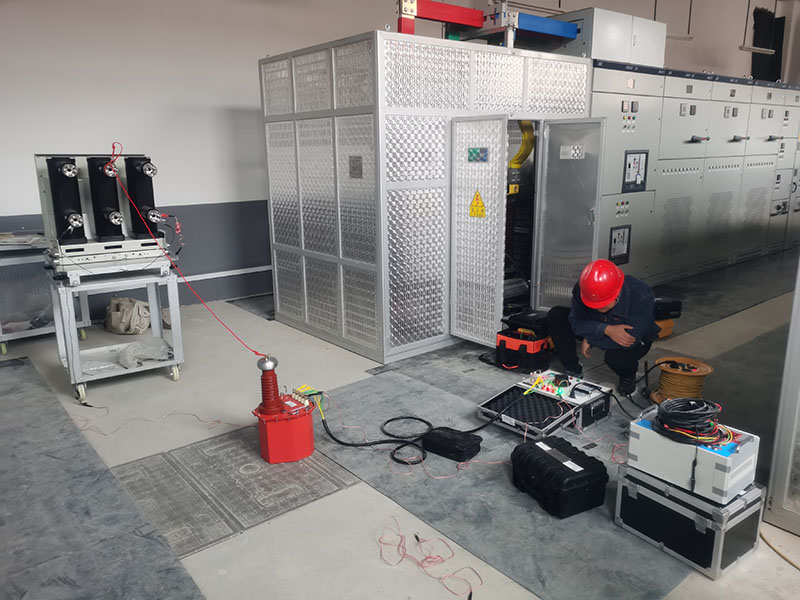
In the electric power industry, ensuring the reliability and safety of equipment is paramount. One critical aspect often overlooked is the role of AC voltage testing in maintaining valve performance. As a seasoned electrical testing expert, I’ve seen firsthand the devastating consequences that can arise from inadequate testing practices. Let me share a personal experience: a valve failure due to insufficient testing not only delayed a project but also resulted in costly repairs and safety concerns. This article will delve into the importance of AC voltage testing, the process involved, common challenges, and best practices that every industry worker should know.
Understanding AC Voltage Testing
What is AC Voltage Testing?
AC voltage testing, commonly referred to as hipot testing, is a method used to evaluate the insulation integrity of electrical devices, including valves. It applies an alternating current (AC) voltage to the equipment under test to ensure that the insulation can withstand operational conditions. Unlike direct current (DC) testing, which can sometimes yield misleading results due to dielectric absorption, AC testing provides a more realistic simulation of operational stress.
Why AC Voltage Testing Matters
The significance of AC voltage testing cannot be overstated. Here are a few reasons why it is essential:
- Detecting Insulation Failures: Over time, insulation can degrade due to factors such as heat, moisture, and mechanical stress. AC testing helps identify weaknesses before they lead to catastrophic failures.
- Ensuring Operational Efficiency: By confirming the integrity of valves, AC voltage testing helps maintain overall system efficiency. A compromised valve can disrupt operations and lead to energy losses.
- Preventing Catastrophic Failures: Regular testing significantly reduces the risk of sudden failures that can result in extensive downtime and costly repairs. According to industry statistics, nearly 30% of unplanned outages can be traced back to insulation failures.
The AC Voltage Testing Process
Preparing for AC Voltage Testing
Before conducting any tests, it’s vital to take safety precautions and gather necessary gear. A thorough inspection of the valve and associated equipment should be performed to identify any visible issues.
In one of my previous projects, we faced a potential delay due to a valve that was not adequately prepared for testing. By catching this oversight early, we not only avoided setbacks but also ensured a smoother testing process.
Equipment Needed for Testing
To conduct effective AC voltage tests, you’ll need the following essential tools:
- AC Hipot Testers: These devices are specifically designed to apply high voltage to the valve while measuring the leakage current.
- Safety Devices: Ensure you have personal protective equipment (PPE) such as insulated gloves and goggles.
- Measurement Instruments: Multimeters and oscilloscopes can provide additional data and insights during testing.
Step-by-Step Testing Procedure
- Set Up the Testing Environment
Ensure a controlled environment, free from external interference. Prepare the valve by disconnecting it from other electrical circuits and grounding it appropriately. - Conducting the Test
Apply the recommended voltage level, typically 2-3 times the operating voltage, for a specified duration (usually 1 minute). Monitor the test carefully, observing the leakage current readings. - Interpreting Results
Analyze the results to determine pass/fail criteria. A high leakage current often indicates insulation failure. Familiarize yourself with common test outcome scenarios to quickly identify issues.
Common Challenges and Solutions
Troubleshooting AC Voltage Testing Issues
Throughout my career, I’ve encountered various challenges during AC testing, such as:
- Equipment Malfunctions: Ensure all testing equipment is regularly calibrated and maintained. If a tester fails during an operation, it can compromise the entire testing process.
- Incorrect Settings: Always double-check voltage settings before starting the test. An improper setting can lead to false readings or equipment damage.
- Environmental Factors: Factors like humidity and temperature can affect testing outcomes. Make adjustments to testing protocols based on environmental conditions.
Avoiding Common Pitfalls
Several common mistakes can undermine the testing process:
- Skipping Safety Protocols: Safety should always be the top priority. Neglecting safety measures can lead to severe accidents.
- Misreading Results: Proper training is essential to interpret test results accurately. Incorrect interpretations can lead to unnecessary repairs or unsafe operations.
- Ignoring Manufacturer Specifications: Always refer to manufacturer guidelines for testing procedures and standards. In my experience, failure to adhere to these can result in equipment damage.
Best Practices for AC Voltage Testing
Developing a Testing Schedule
Creating a regular testing schedule is crucial for maintaining valve performance. Determine testing frequency based on operating conditions and manufacturer recommendations. For instance, in environments with higher stress, more frequent testing is advisable.
Training and Certification
Investing in proper training for personnel is key to successful AC voltage testing. Look for certification programs that focus on safety and best practices in the industry. I recall how a specialized training program significantly improved my team’s testing accuracy and safety awareness, leading to fewer incidents.
The Future of AC Voltage Testing
Innovations and Trends
The landscape of AC voltage testing is evolving with technological advancements. Emerging innovations, such as automated testing systems and real-time data analytics, are enhancing testing accuracy and efficiency. These developments promise to streamline processes and reduce human error.
Staying Informed
To remain competitive and informed, industry workers must stay updated on the latest testing standards and practices. Resources such as industry publications, webinars, and professional organizations offer valuable insights and continuing education opportunities.
In conclusion, AC voltage testing is a critical practice that directly impacts valve performance and overall system reliability in the electric power industry. By implementing robust testing practices, prioritizing safety, and investing in training, you can enhance operational efficiency and mitigate risks. Remember, the peace of mind that comes from thorough testing is invaluable. As we continue to advance in our field, let’s commit to making safety and reliability our top priorities in every project we undertake.