

I. Introduction
A. Overview of Transformer Testing
In the electrical power industry, transformer testing is essential for ensuring the reliability and longevity of power systems. As a professional electrical testing expert, I’ve seen firsthand the critical role these tests play in preventive maintenance and fault diagnosis.
B. Significance of Turn Ratio Testing
Among various transformer tests, Turn Ratio Testing stands out due to its specific focus and methodology. It’s a fundamental test but often misunderstood or underappreciated.
C. Purpose of the Article
This article aims to delineate the unique aspects of Turn Ratio Testing, contrasting it with other common transformer tests. It’s tailored for industry workers seeking practical and detailed insights.
II. Understanding Turn Ratio Testing
A. Definition and Basics
Turn Ratio Testing measures the ratio of the primary to secondary winding voltages of a transformer. It’s crucial for verifying the operational integrity of these windings.
B. Key Objectives
The primary objective is to detect problems like shorted turns, winding deformations, and incorrect winding connections, which are vital for transformer functionality.
C. Equipment Used
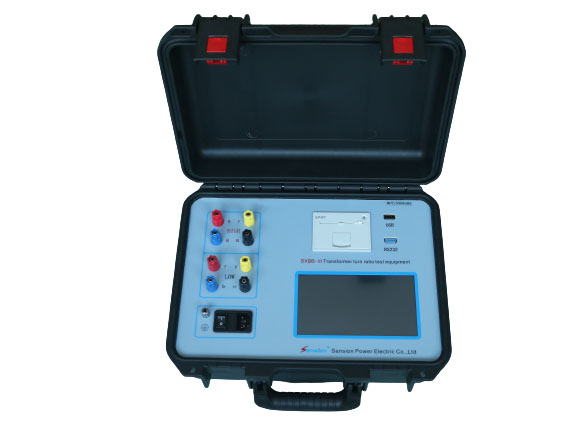
Specialized turn ratio test sets are used, which are different from general electrical testing equipment due to their specific functionality and precision requirements.
III. Comparing Turn Ratio Testing with Other Transformer Tests
A. Dissolved Gas Analysis (DGA)
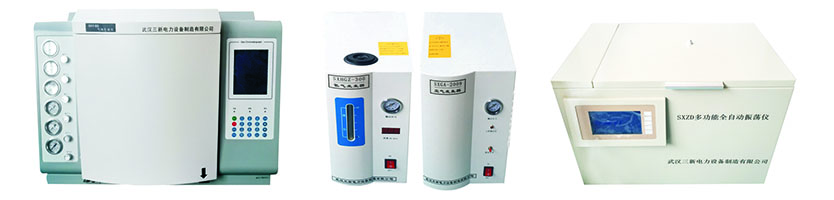
1. Purpose and Methodology
DGA tests the transformer oil for gases that indicate internal faults. It’s a chemical analysis, contrasting with the electrical measurement focus of Turn Ratio Testing.
2. Differences
While DGA diagnoses internal faults, Turn Ratio Testing assesses the integrity of windings, offering a different perspective on transformer health.
B. Insulation Resistance Testing
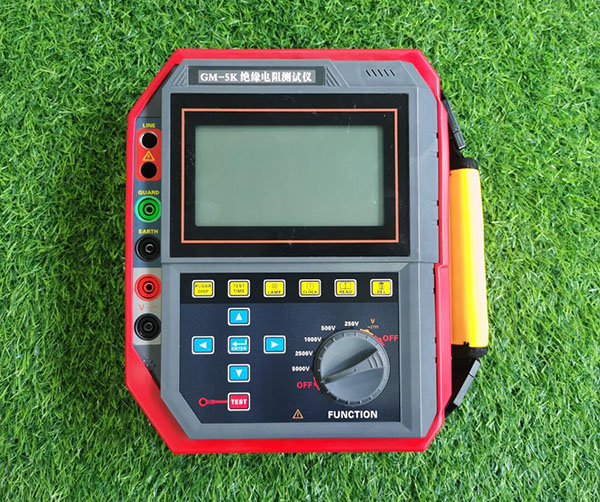
1. Purpose and Methodology
This test measures the resistance of transformer insulation, preventing leakage currents and electrical failures.
2. Differences
Insulation Resistance Testing focuses on the quality of the insulation material, unlike Turn Ratio Testing which is more about the winding’s functionality.
C. Frequency Response Analysis (FRA)
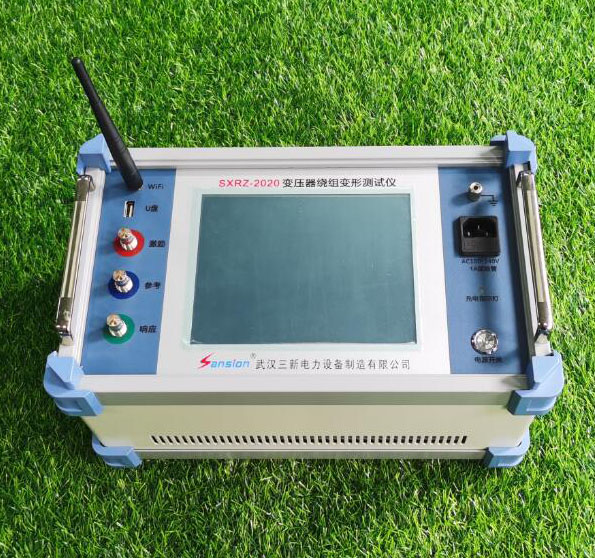
1. Test Methodology
FRA assesses the mechanical integrity of transformer windings by analyzing their response to a range of frequencies.
2. Contrasts
Turn Ratio Testing is a straightforward voltage ratio measurement, while FRA is a more complex analysis, interpreting the transformer’s response to different frequencies.
D. Transformer Oil Testing
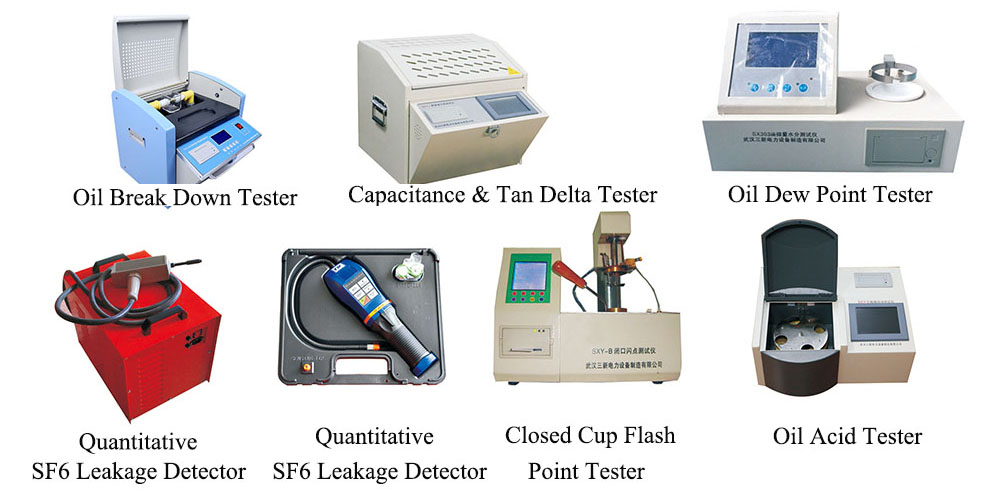
1. Key Aspects
Oil testing checks for moisture, acidity, and other factors affecting oil performance.
2. Comparison
Unlike Turn Ratio Testing, which is an electrical test, oil testing is a chemical analysis, focusing on the condition of the cooling and insulating oil.
IV. Importance of Turn Ratio Testing in Transformer Health
A. Identifying Winding Issues
From my experience, Turn Ratio Testing is unparalleled in detecting winding anomalies. A slight deviation in the turn ratio can signal major issues.
B. Implications for Transformer Longevity
Regular Turn Ratio Testing helps in proactive maintenance, directly impacting transformer longevity and reliability.
C. Role in Preventive Maintenance
It’s a non-invasive test that provides early warnings of potential winding issues, allowing timely interventions.
V. Integrating Turn Ratio Testing into Overall Transformer Maintenance
A. Comprehensive Testing Strategy
Turn Ratio Testing should be part of a broader testing regime, each test providing insights that complement the others.
B. Complementary Nature
For instance, while performing DGA, adding Turn Ratio Testing can give a more complete picture of the transformer’s health.
C. Case Studies
I recall a situation where Turn Ratio Testing, combined with DGA, helped identify a fault that neither could have detected alone.
VI. Advanced Turn Ratio Testing Techniques
A. Advanced Methods
Modern techniques involve more precise measurements and interpretations, considering factors like temperature and load variations.
B. Modern Technology
Utilizing advanced test sets with automated features can significantly enhance accuracy and efficiency.
C. Practical Examples
In one challenging case, advanced Turn Ratio Testing helped isolate a winding issue that was causing efficiency losses in a power plant transformer.
VII. Challenges and Solutions in Turn Ratio Testing
A. Common Challenges
Issues like incorrect test setups and interpreting results in the context of transformer conditions are common.
B. Troubleshooting Tips
Understanding the transformer’s design and operational history is crucial for accurate interpretation of Turn Ratio Testing results.
C. Leveraging Experience
A personal anecdote: A seemingly abnormal turn ratio was actually due to an unusual but correct winding configuration, emphasizing the need for thorough understanding.
VIII. Conclusion
A. Recap
Turn Ratio Testing is a distinct and crucial part of transformer testing, with specific objectives and methodologies.
B. Comprehensive Practices
Integrating it effectively with other tests ensures a thorough understanding of transformer health.
C. Future Outlook
As technology advances, so will the precision and importance of Turn Ratio Testing in the electric power industry.