
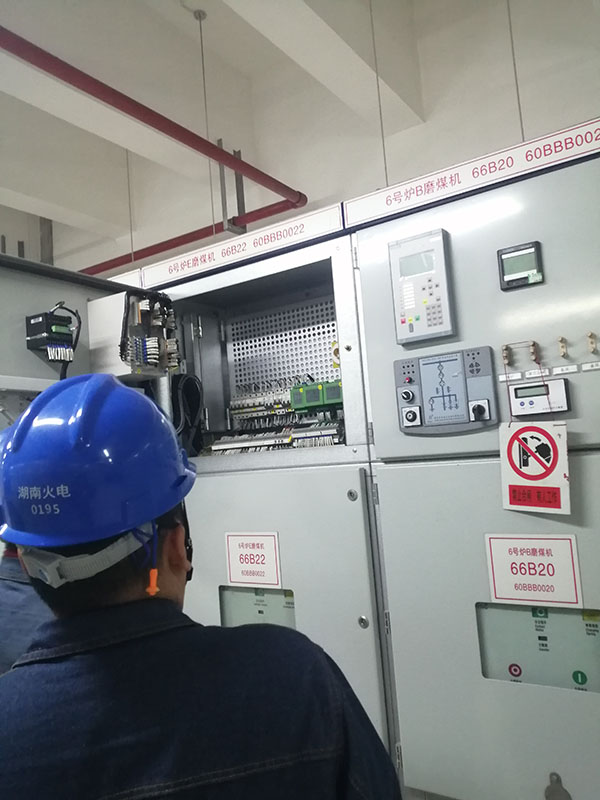
Welcome to the daily grind of power plant maintenance! Today’s task of my daily work might not be the most glamorous, but it’s crucial – upgrading our system to handle a 2kV load and checking those tiny but mighty indicator lights in our control cabinets. Let me walk you through how we get this done, paying attention to all the nitty-gritty details.
The 2kV Upgrade: Precision is Key
Upgrading to 2kV involves a lot of precision. First, we conduct a hipot test to ensure our insulation can handle the extra voltage. It’s a bit like a doctor’s check-up for our equipment – making sure everything’s healthy and ready for the change. Then, we carefully replace or adjust components that can’t handle the higher voltage. It’s methodical work, each step meticulously checked and double-checked.

Indicator Lights: Small but Significant
Now, onto the indicator lights. These little lights are our silent informers, telling us the status of the live display in our cabinets. Checking them might seem straightforward, but it’s all about the details. We look for any flickers or dimming that could indicate a problem. Just last week, a flickering light led us to discover a loose connection – a small issue that could have led to bigger problems if left unnoticed.
Wrapping Up with a Sense of Achievement
Once we’ve finished the upgrade and all lights are checked, there’s a real sense of achievement. It’s not just about completing the task; it’s knowing that every small detail has been attended to, ensuring the safety and efficiency of our plant.
Conclusion: It’s All in the Details
In power plant maintenance, it’s these detailed tasks that often make the biggest difference. Whether it’s upgrading to a higher voltage or checking the functionality of a tiny light, every aspect of our work contributes to the smooth running of the plant. And at the end of the day, that’s what it’s all about – keeping the plant safe and operational, down to the smallest detail.